Pioneering research at the intersection of astronomy and space domain awareness. Led by Professors Fabien Baron and Stuart Jefferies, we develop cutting-edge instrumentation and algorithms for high-resolution imaging from Earth to orbit.
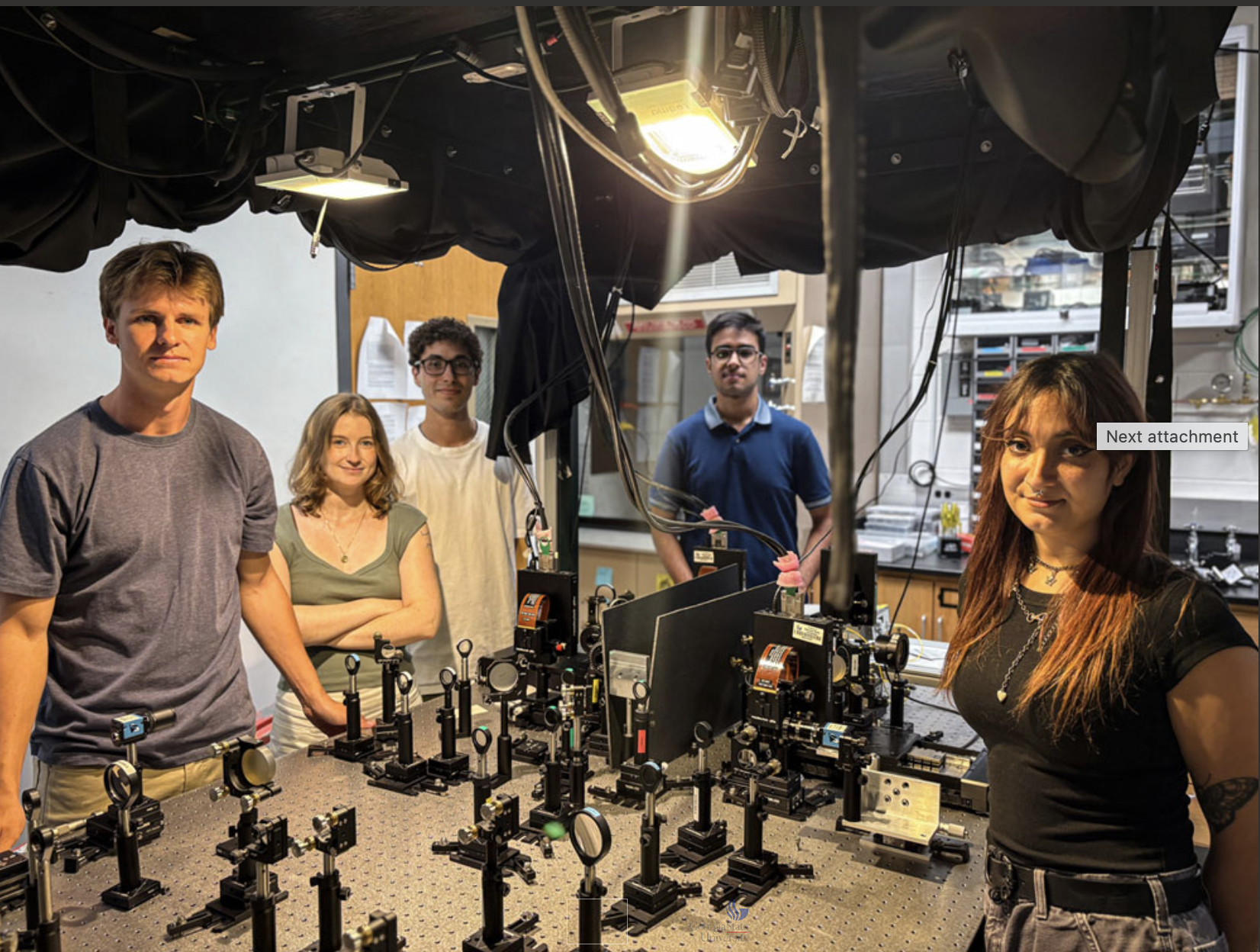
Experience the daily excitement of cutting-edge research
Join a dynamic, internationally-connected research team with unprecedented opportunities
Unique opportunity: PhD in Astronomy from GSU + PhD in Astronomy, Astrophysics & Space Science from University of Rome. International experience included.
$5M+ in active grants. All PhD students receive a stipend and tuition waiver — and we work hard to supplement that through fellowships, internships, and unique research opportunities.
Design, construct, and deploy your own instruments. Work with cutting-edge facilities. Publish and present at top conferences.
What current students and alumni say about their experience in our group
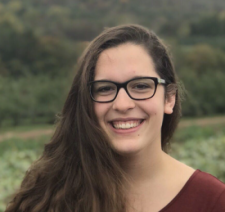
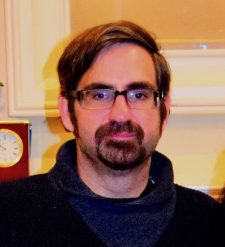
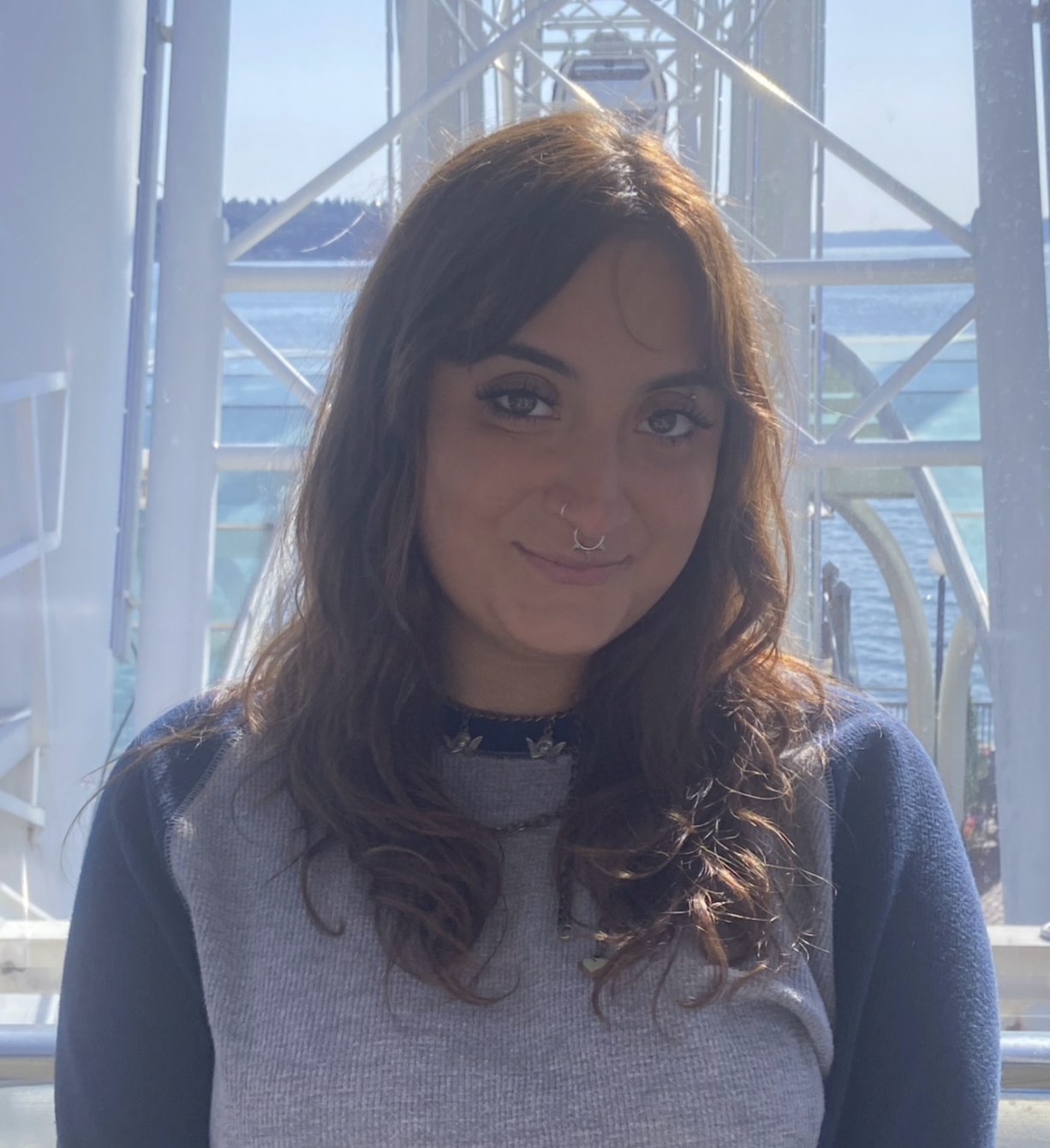
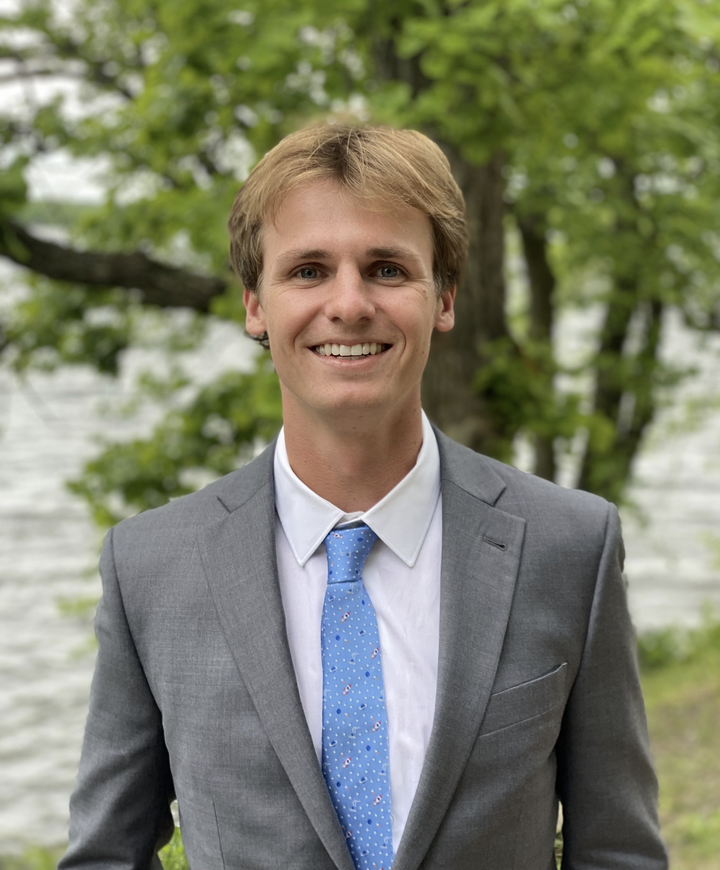
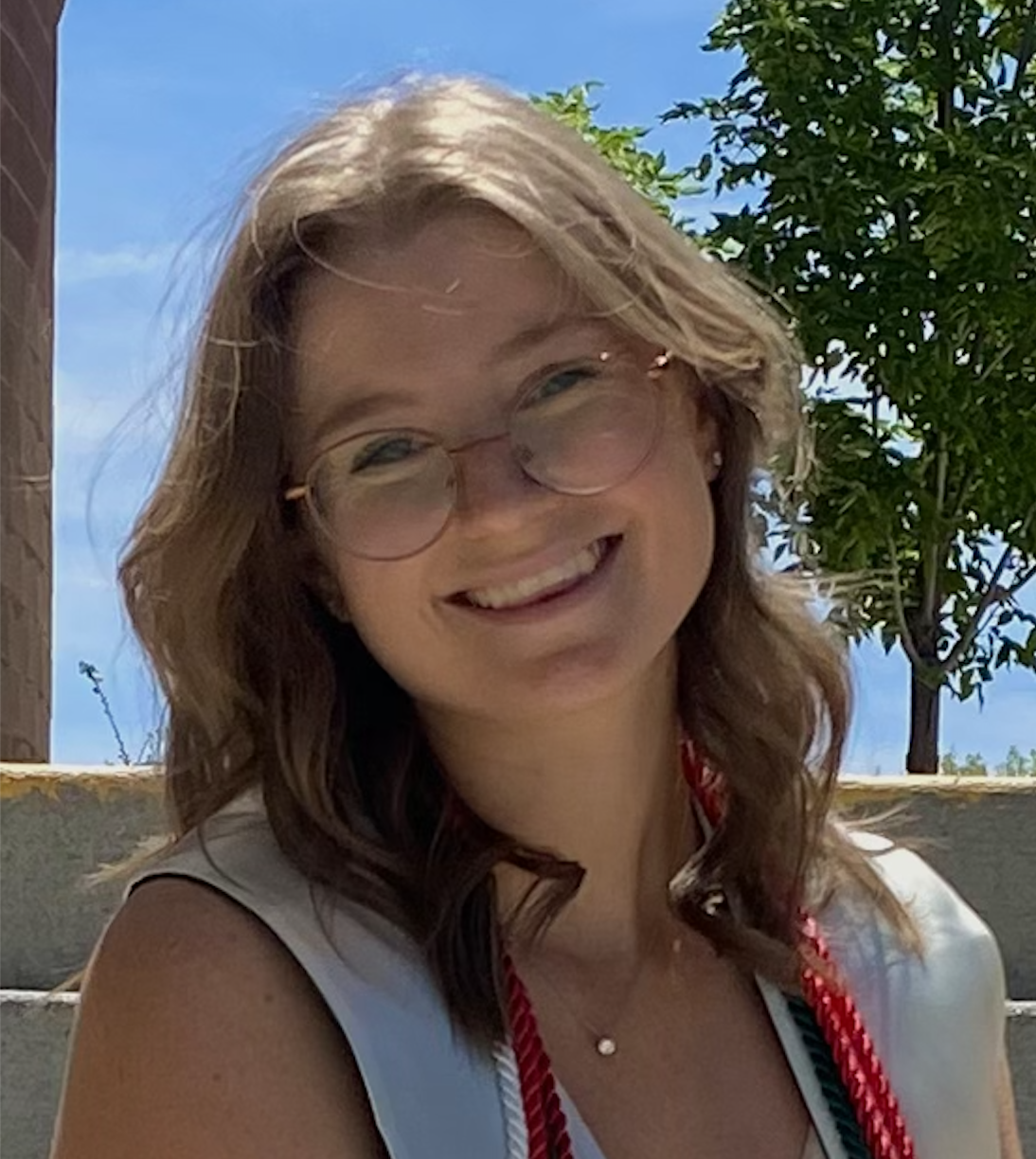
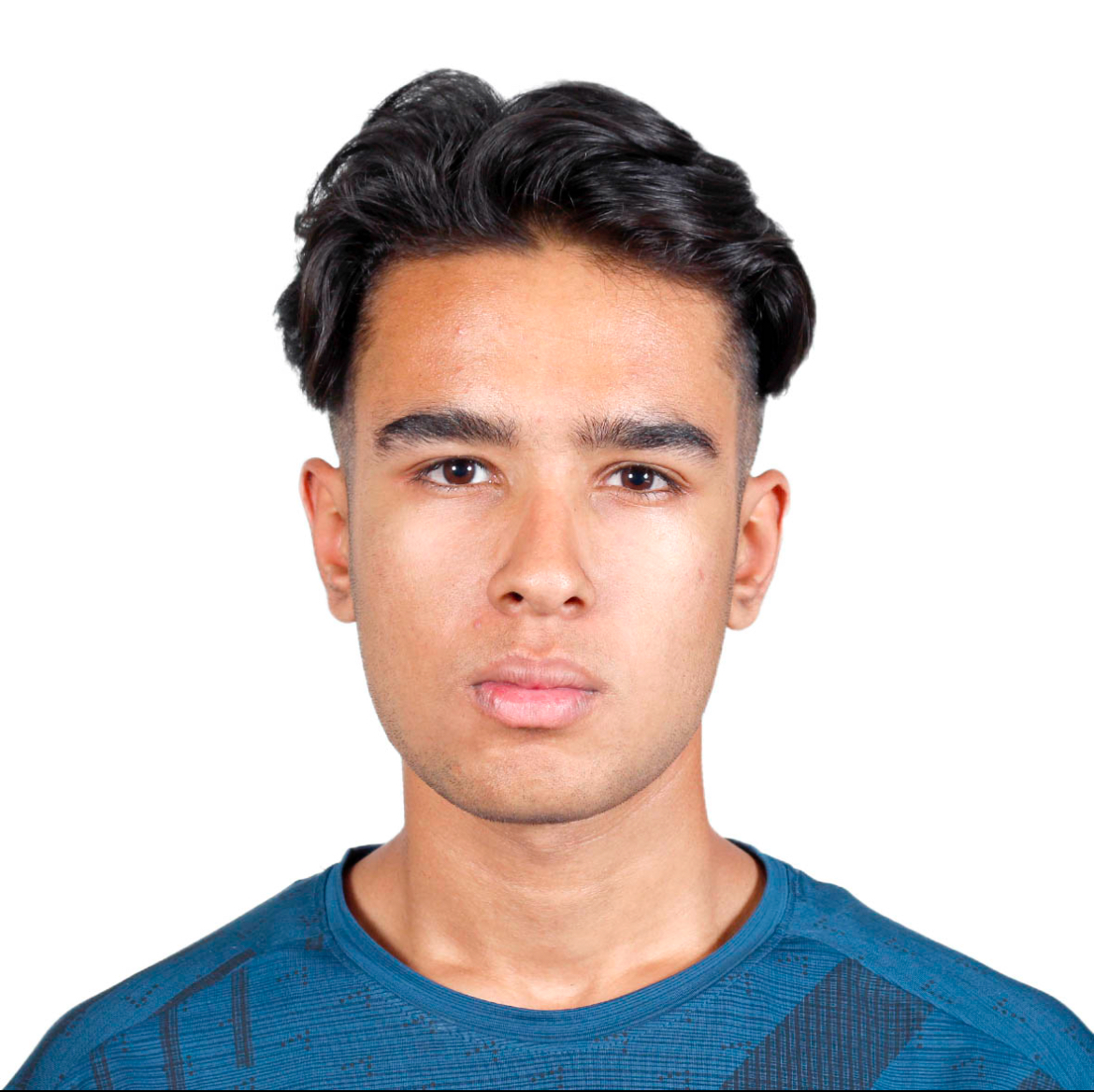
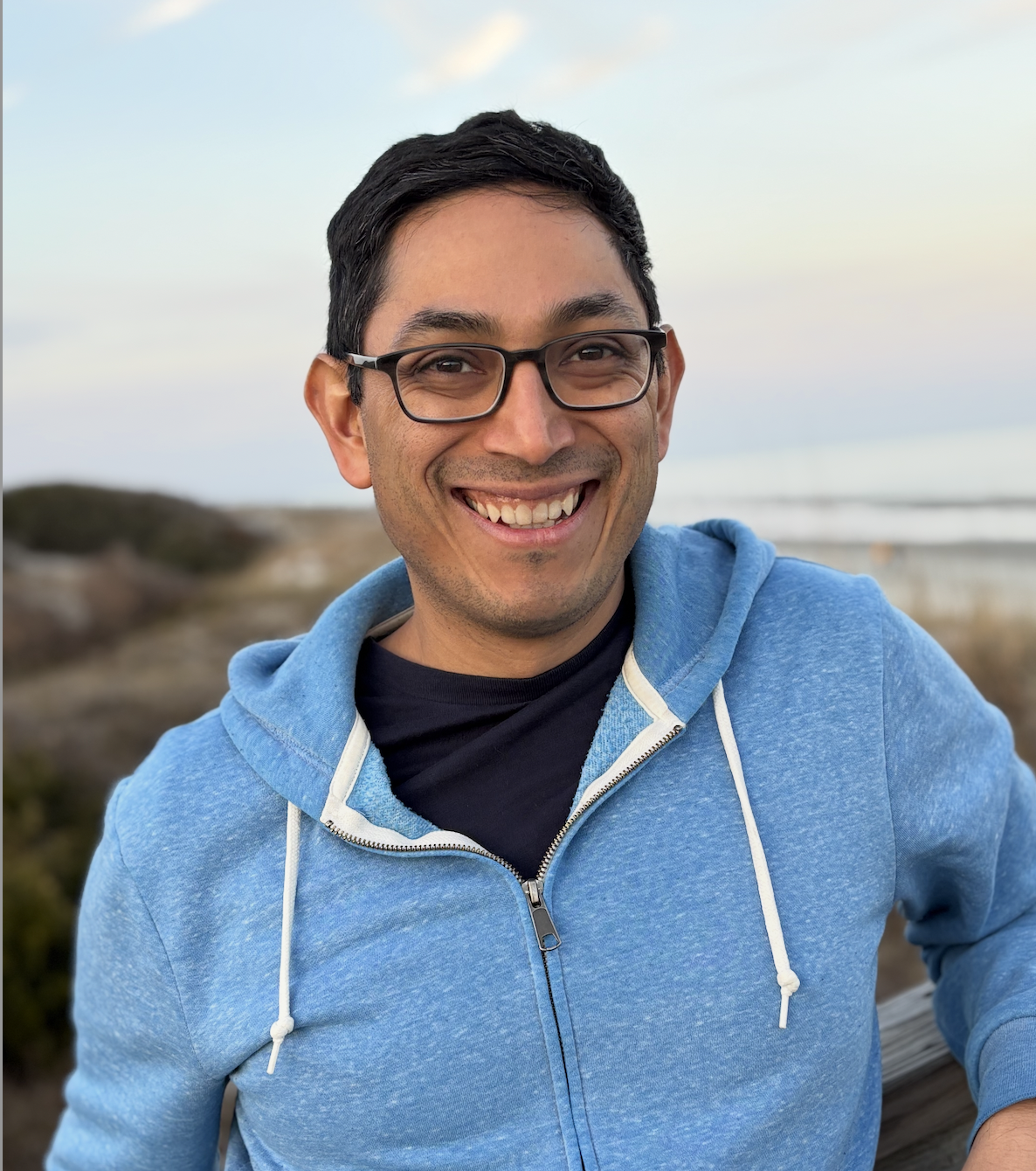
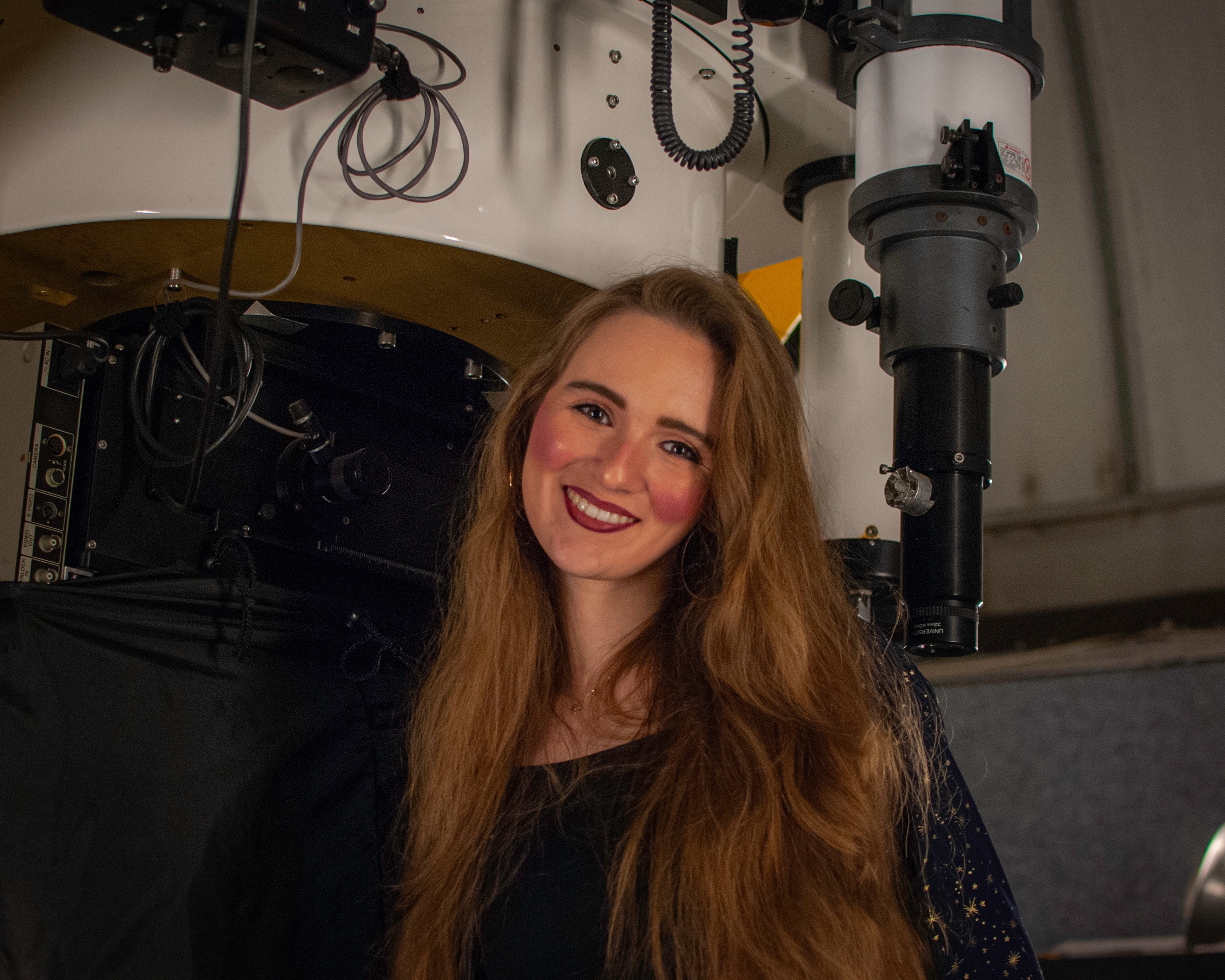
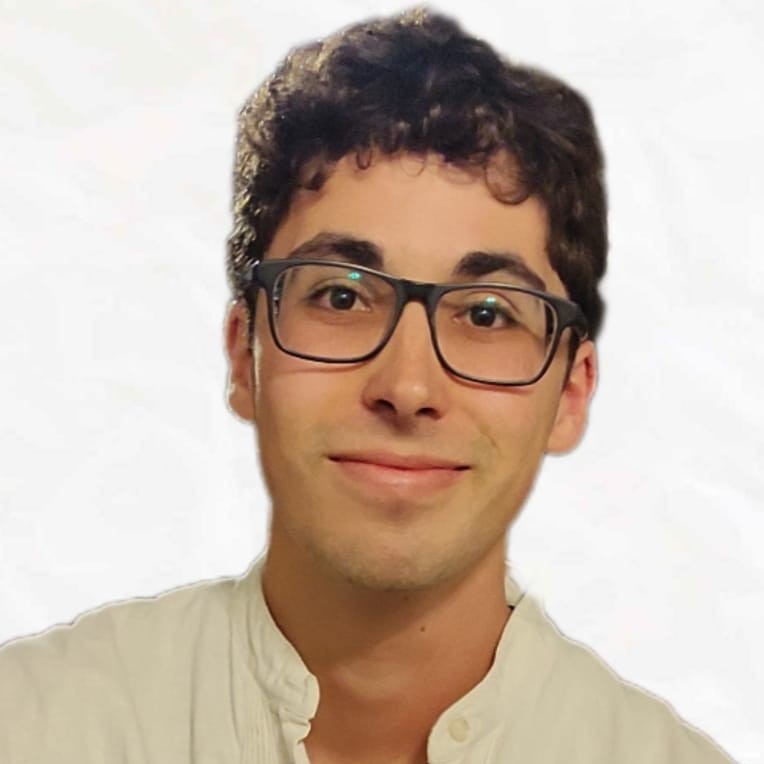
You do not need to arrive as a finished product, but you do need the willingness to learn and unlearn continuously. You will pursue bold, unconventional, and genuinely transformative ideas, not just incremental ones. As a graduate student, RSSS will empower you every step of the way. Stuart has been a supportive and deeply compassionate advisor, qualities that are rare to find alongside the highest standards of scientific rigor.
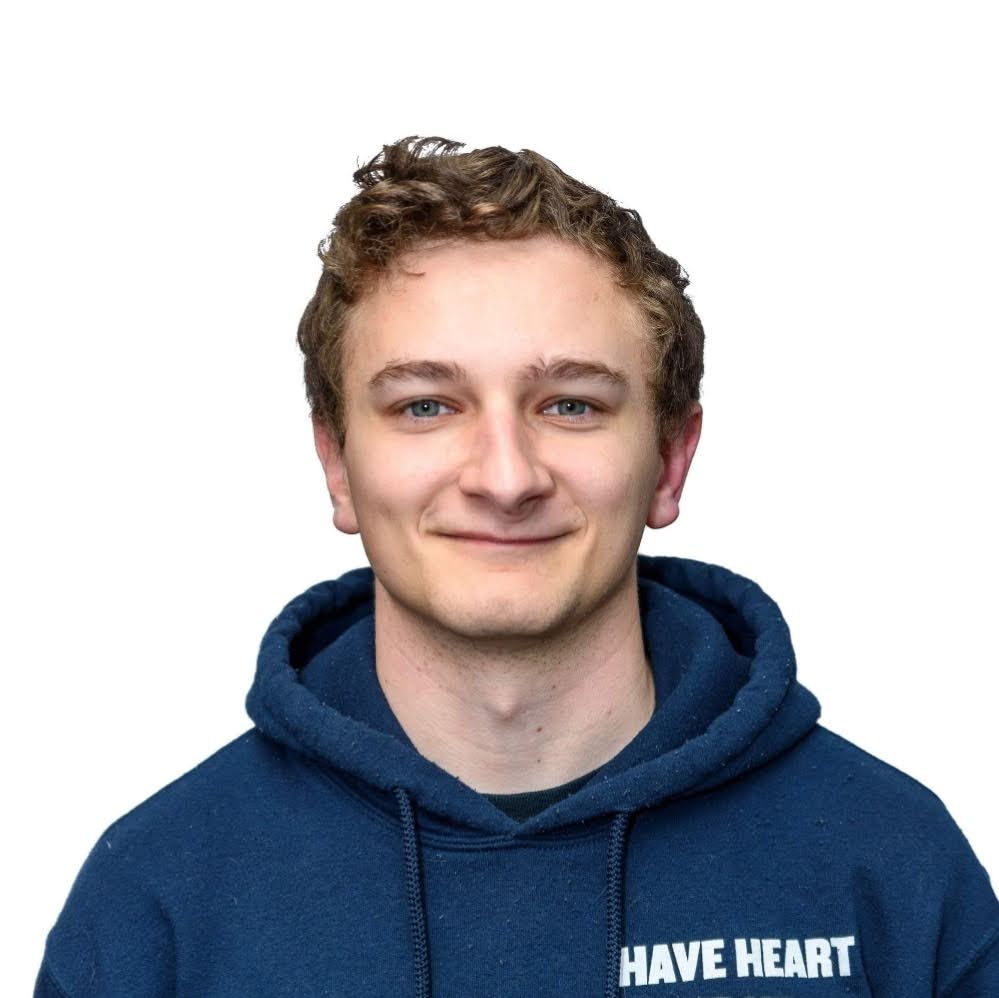
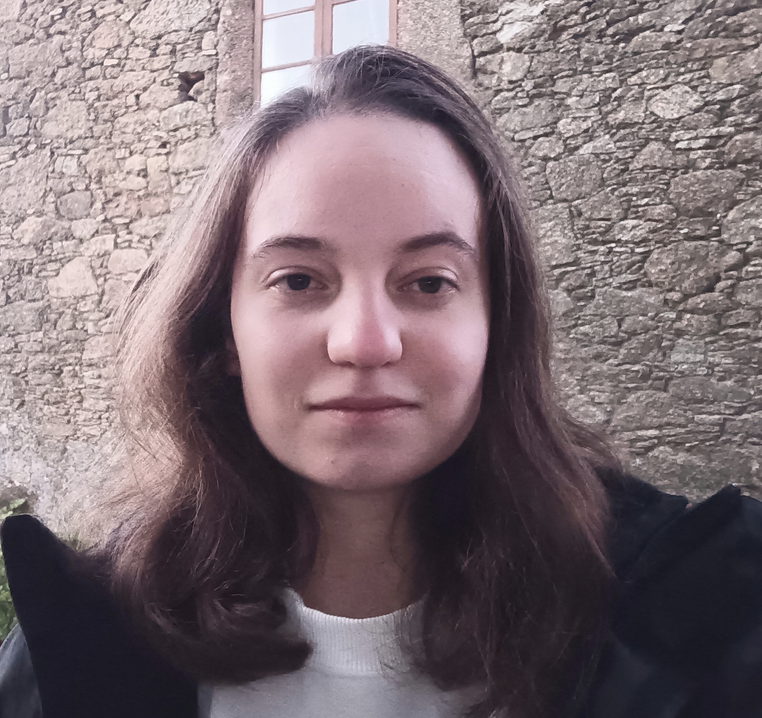
Working with the RSSS group has provided me with an incredibly unique PhD experience. Prof. Jefferies always encouraged me to apply for external opportunities, which allowed me to spend a year as an intern at JPL and pursue a dual PhD program with GSU and the University of Rome Sapienza. Although the RSSS members may not always be in the same place physically, they have been a great support system throughout my graduate career.
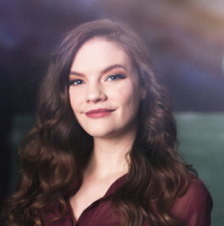
The RSSS Lab gave me the opportunity to try new ideas, learn new skills, and interact with the broader community outside of GSU. I felt that the work I was doing in the lab was truly novel and impactful, which allowed me to fast track my PhD in 4 years and make crucial connections that helped me land a job doing exactly what I want to do.
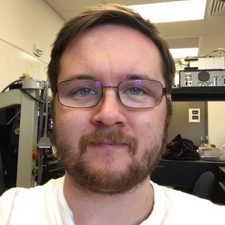
The RSSS lab can be challenging, testing your resilience and independence in many different ways. Simultaneously, it will be the absolute coolest group of people you will ever work with. The team is supportive, they genuinely care about your well-being, and they're brilliant—they value your insight as much as you will value theirs. You'll work hard and be stressed, but you'll work to solve the most exciting problems you've ever encountered and will accomplish things you never thought possible. I believe pursuing my Ph.D. in the RSSS group made me a far better scientist than I could have become anywhere else. I attribute an incredible amount of my success to the advising, connections, and opportunities unique to the RSSS group. Knowing everything I know now, I'd join this group again with no hesitation.
My experience with the RSSS team was one of the most rewarding parts of my graduate career at GSU. We were trusted to take ownership of meaningful challenges and given the freedom to pursue our research at our own pace, while still benefiting from a strong support system of advisors and peers. The lab culture made the hard parts feel exciting rather than intimidating, and the moments of triumph genuinely worth celebrating. This balance of independence and collaboration made the work rigorous and fun, and it was especially rewarding to develop expertise I could share to support others' research.
More testimonials from our alumni will be added as they come in.
Our students gain exposure far beyond typical academic research
Work directly with Air Force Research Laboratory, NASA scientists, and other government agencies on funded research projects.
Unique dual PhD program with University of Rome. Spend time in Italy, collaborate with European scientists, earn two PhDs simultaneously.
Collaborate with private companies (MorphOptic, Advisory Ltd, Eddy Company) and Georgia Tech Research Institute on cutting-edge instrumentation.
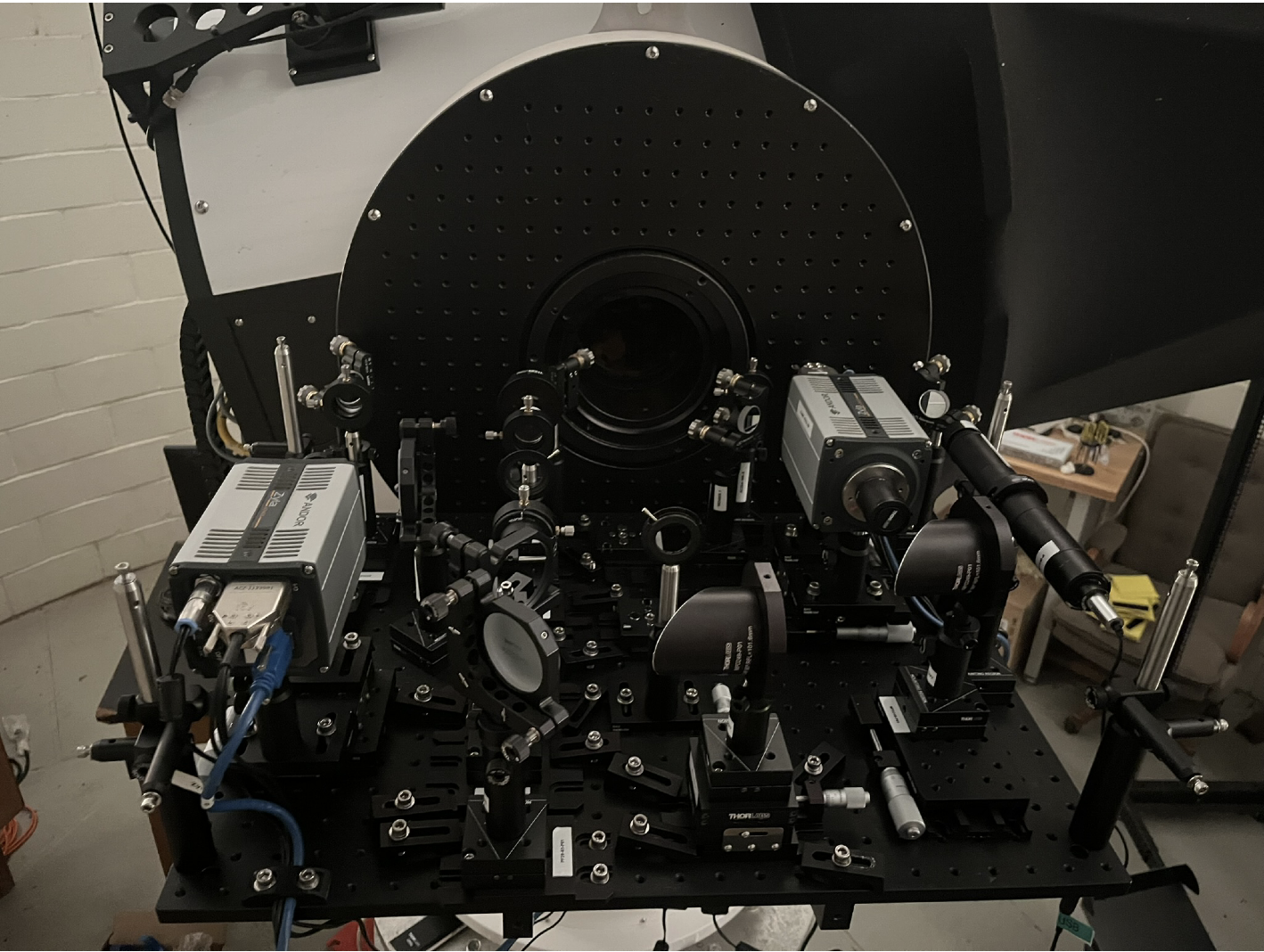
Design, construct, and deploy your own instruments. ARES facility enables rapid prototyping from concept to field deployment.
Part of GSU's Imaging Hub - collaborate across astronomy, physics, computer science, mathematics & statistics, biology, psychology, and chemistry.
Alumni at NASA, national observatories, research institutions, and private industry. Multiple career pathways, not just academia.
Regularly host visiting students from leading institutions worldwide. Work alongside peers from Italy, Spain, and beyond. Build an international professional network from day one.
Two complementary branches of remote sensing, unified by innovative techniques
We push the limits of ground-based astronomical observations, studying everything from solar oscillations to the structure of giant planets.
Our techniques support national security through ultra-high-resolution imaging and characterization of satellites in Earth orbit.
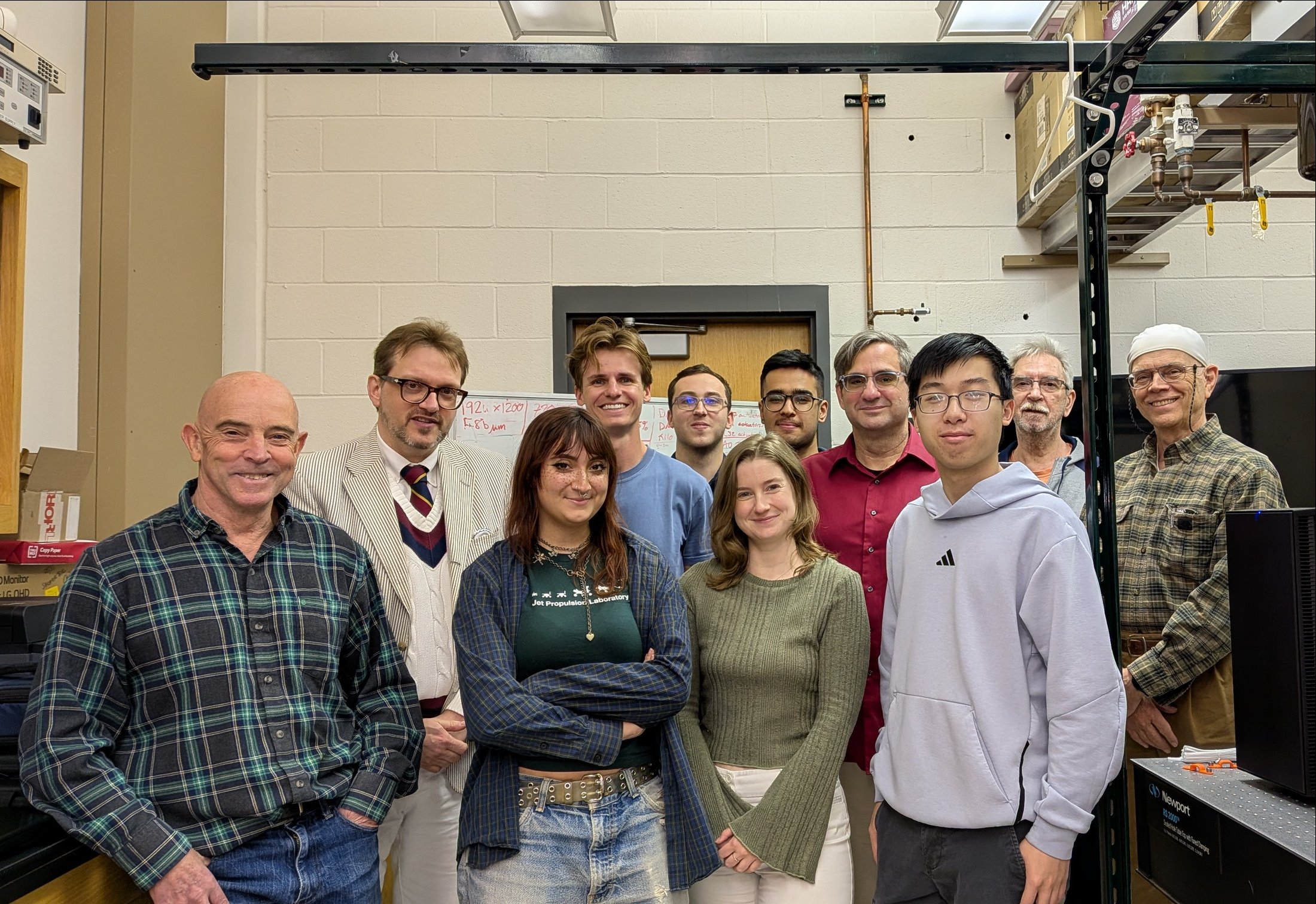
Co-led by Professors Baron and Jefferies, our international team spans researchers, engineers, and students
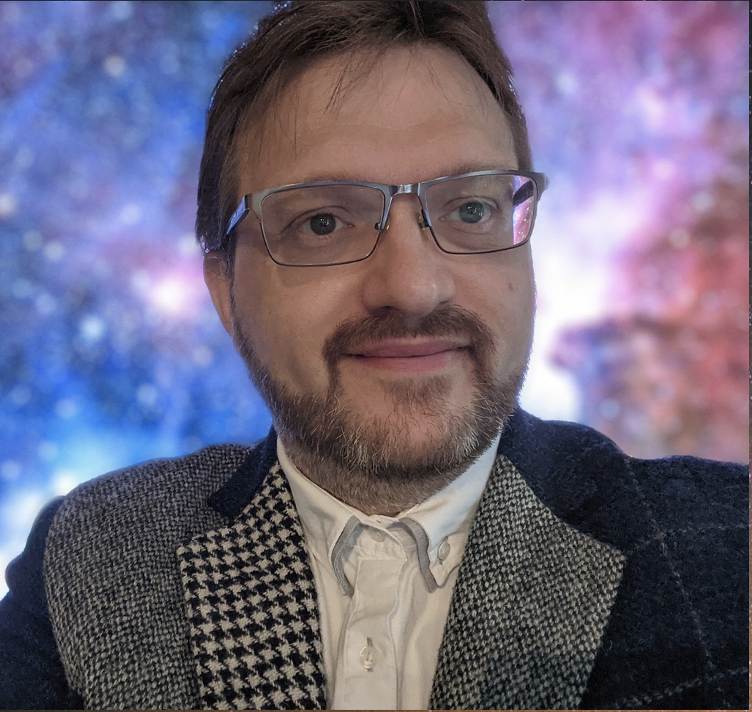
Fabien's expertise spans optical interferometry, image reconstruction algorithms, and stellar astrophysics, with contributions to some of the highest-resolution stellar images ever obtained.
View Full Bio →
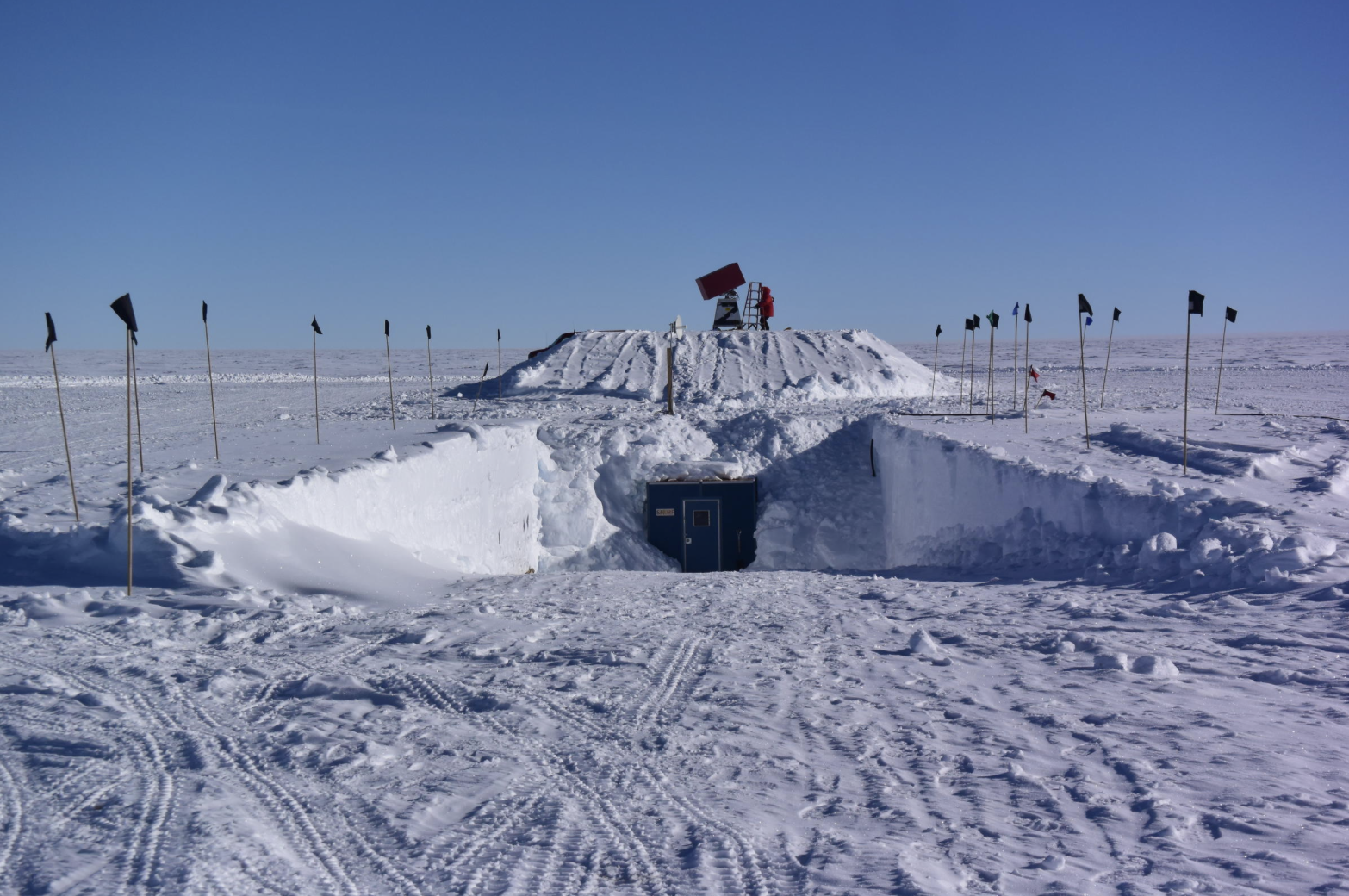
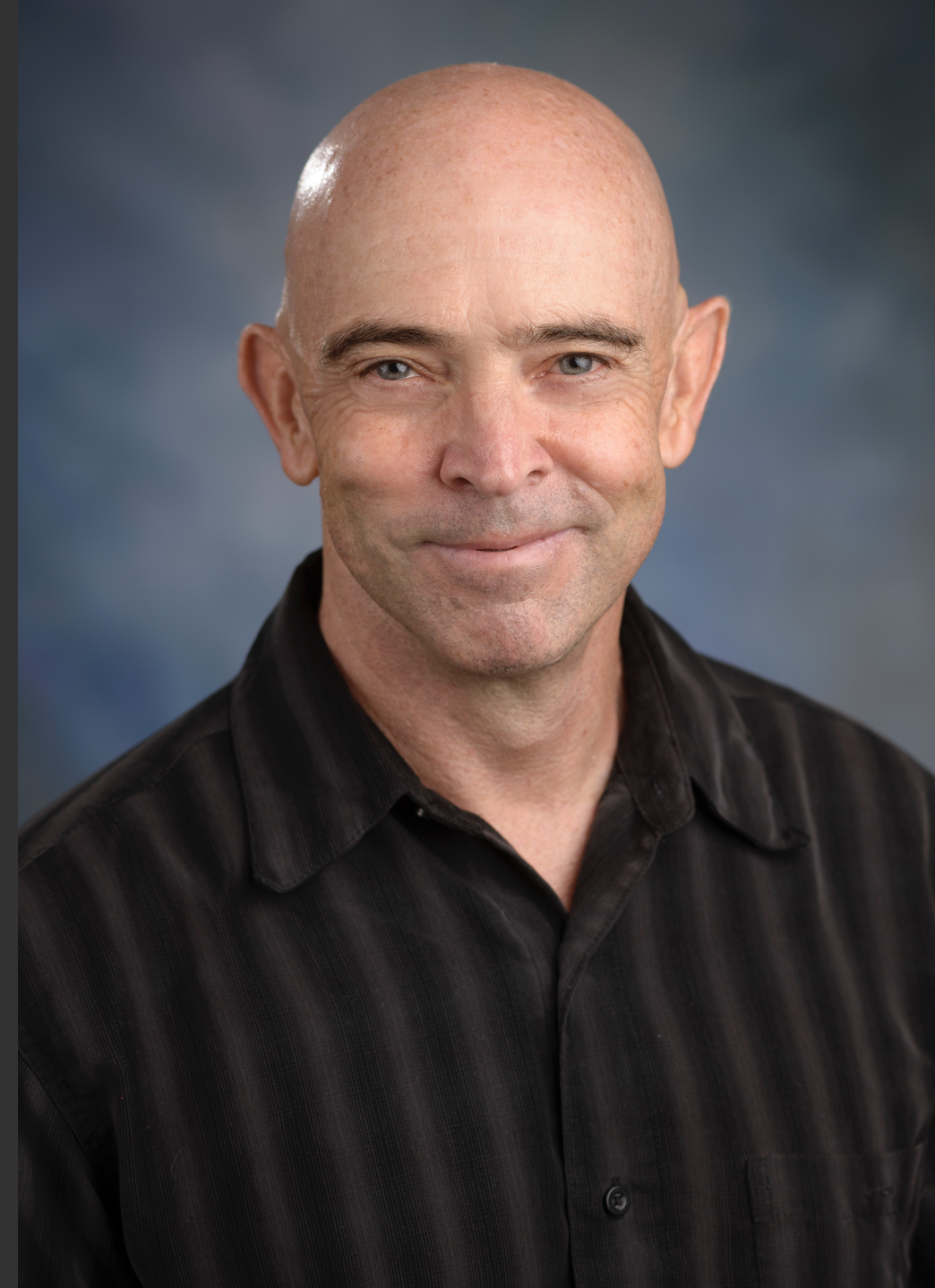
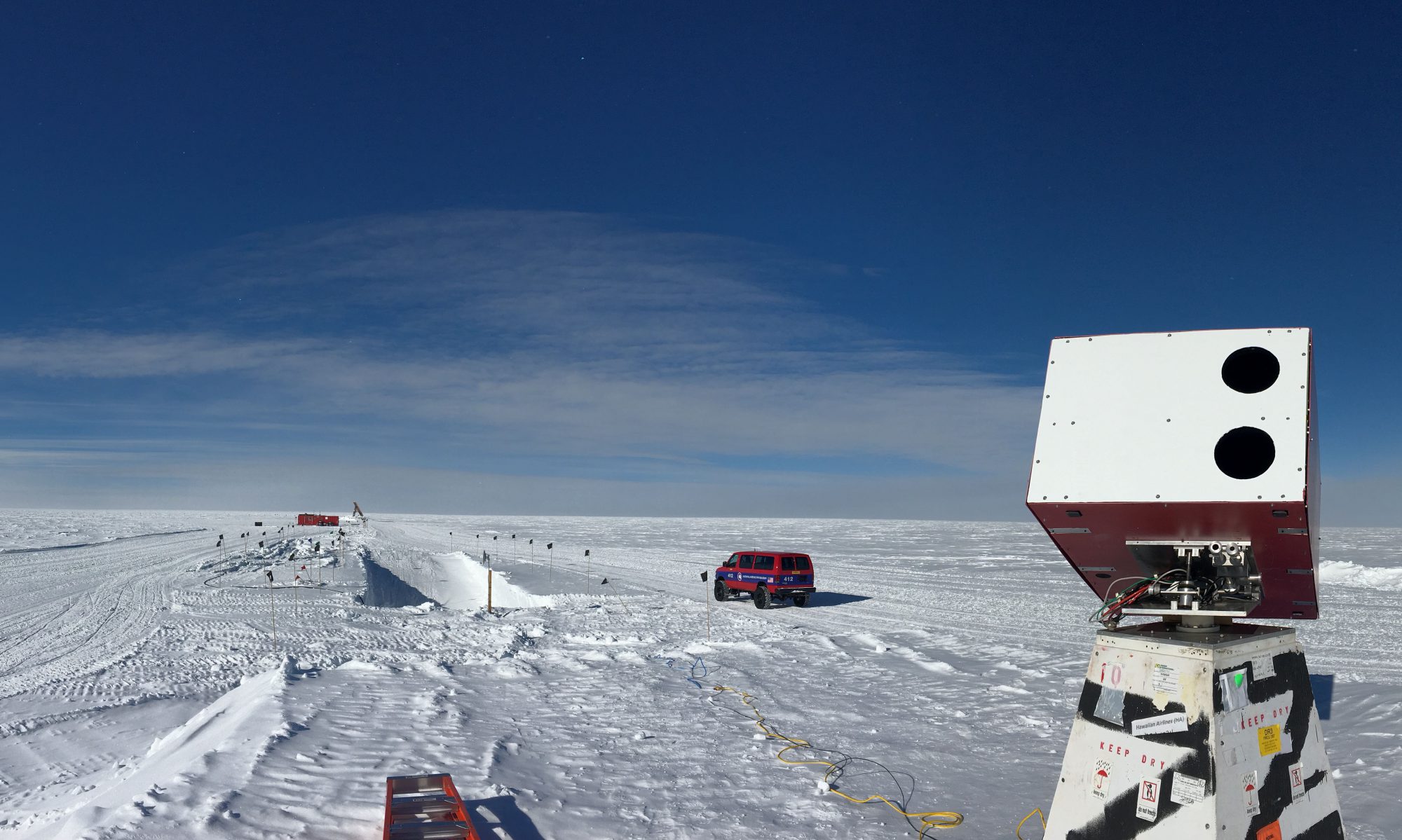
Stuart pioneered multiframe blind deconvolution and time-distance helioseismology, with 40 years of experience in the field. His expertise spans high-resolution imaging and space domain awareness, with over 20 years building instruments and 30+ years running experiments in Antarctica. He is currently interested in developing the next generation of extremely large optical telescopes.
Visit Personal Page →
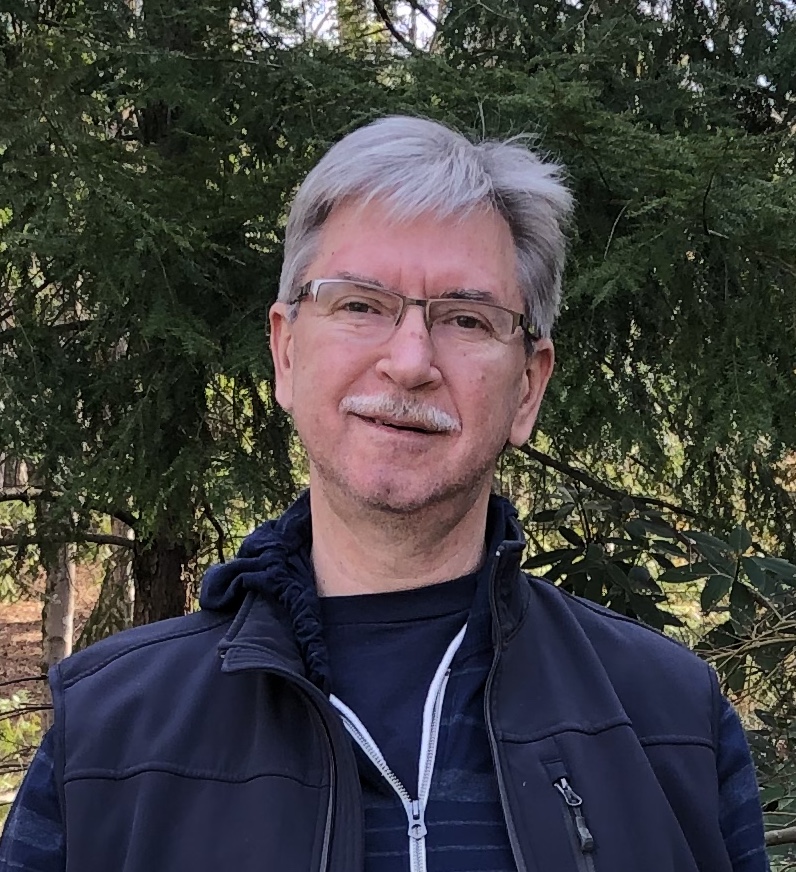
Dmitriy's research focuses on experiment automation, instrument control systems, and software for data acquisition and post-processing. He employs a rigorous methodology — numerical modeling to lab validation to observatory implementation — ensuring robust and well-validated results.
Doug's research spans high-resolution imaging of faint stellar companions, active galactic nuclei with JWST, asteroids, and Jovian moons. He led the first imaging of satellites during full daylight — a significant technical milestone with direct implications for space domain awareness.
Lexi's research focuses on high contrast imaging systems for both ground and space-based observatories, working on coronagraphic and non-coronagraphic methods for imaging closely spaced objects (CSOs) such as exoplanets, satellites, and binary stars. Her research has led her to NASA JPL for multiple summer internships, where she works on coronagraph development for the Habitable Worlds Observatory on the In-Air Coronagraph Testbed (IACT). Within the RSSS group she develops numerical simulations and instruments for imaging CSOs, as well as Adaptive Optics systems for Hard Labor Creek Observatory.
Billy's research focuses on advancing astronomical discovery and space domain awareness through novel optical instrumentation, observational techniques, and unique telescope architectures. He combines astronomy, engineering, and computational methods to design imaging systems that improve detection, characterization, and tracking of objects in space.
Megan's research interests have evolved from Wolf-Rayet stars in binaries to Young Stellar Objects (YSOs), focusing on their circumstellar disks which form planets and determine subsequent solar system environments. Using high-resolution interferometry and image reconstruction techniques, she aims to understand disk mechanics and planet formation processes.
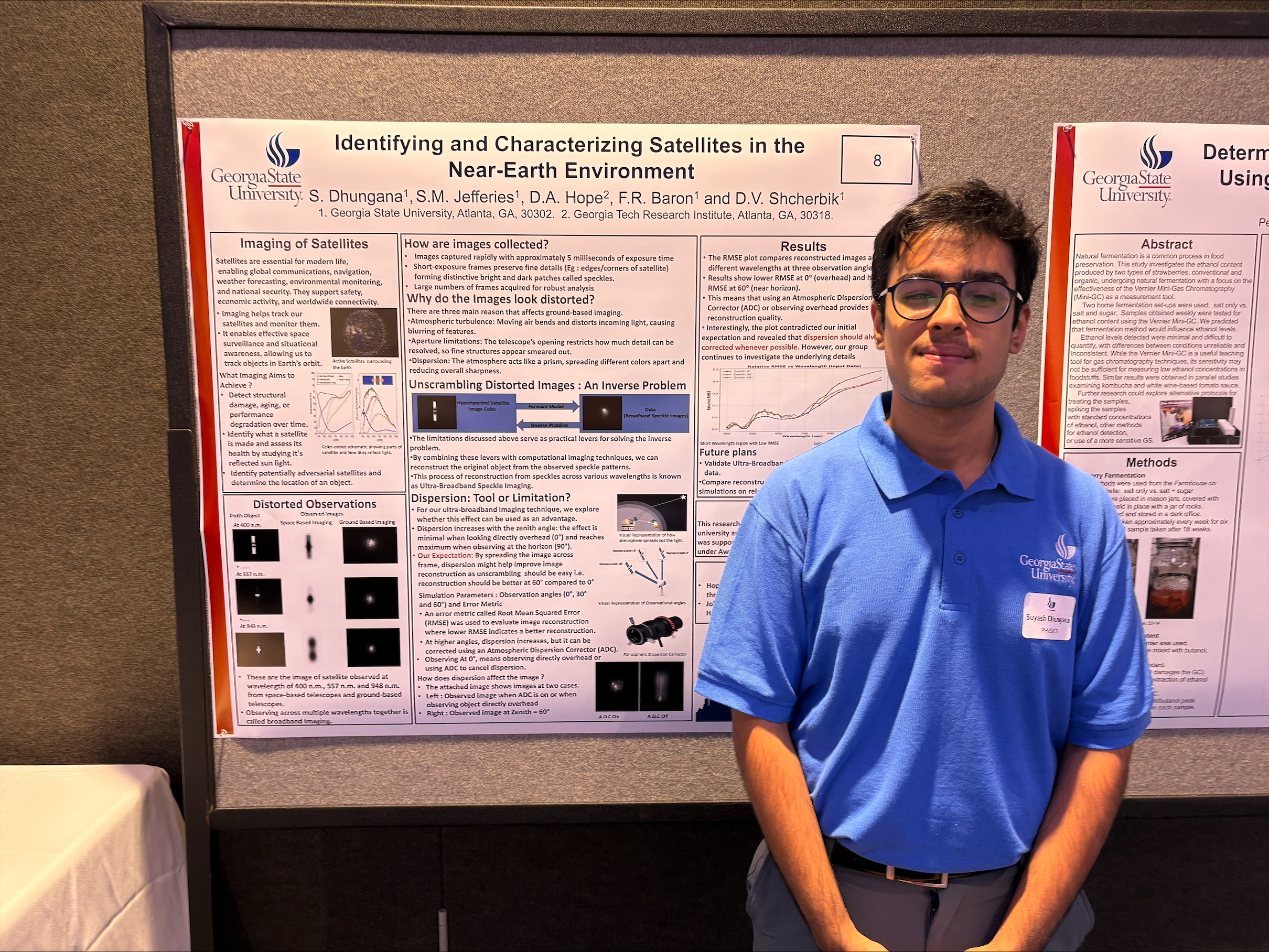
Suyash's research focuses on improving the restoration of hyperspectral imagery acquired through atmospheric turbulence. He assists in evaluating deconvolution algorithms developed by the RSSS group by running large-scale simulations and analyzing their reconstruction quality under varied atmospheric conditions.
Joshua's research focuses on wavefront sensing from focal plane images.
Develops software infrastructure for high-performance computing. Currently building containerized environments to run imaging code on computing clusters, and optimizing software for GPU acceleration to process images faster. Future work will focus on data pipelines to handle massive telescope datasets—capturing, storing, analyzing, and visualizing results.
Cheryl's work focuses on wavefront manipulation for high-resolution imaging.
We supervise and collaborate with PhD and Masters students from premier institutions worldwide
International research collaborations: We supervise and collaborate with PhD and Masters students from leading institutions in Spain (IAC, Universidad de La Laguna) and Italy (University of Rome). Students conduct research with us while earning degrees from their home institutions—including 2 successful PhDs, with one graduate now at the Max Planck Institute for Solar System Research.
26 Georgia State Alumni Working Worldwide
MIT Lincoln Laboratory • Space Dynamics Laboratory • University of Notre Dame
View GSU Alumni Network →We deliberately train generalists. Our graduates leave with a broad, deep skill set that makes them competitive across academia, government, and industry — not just one track.
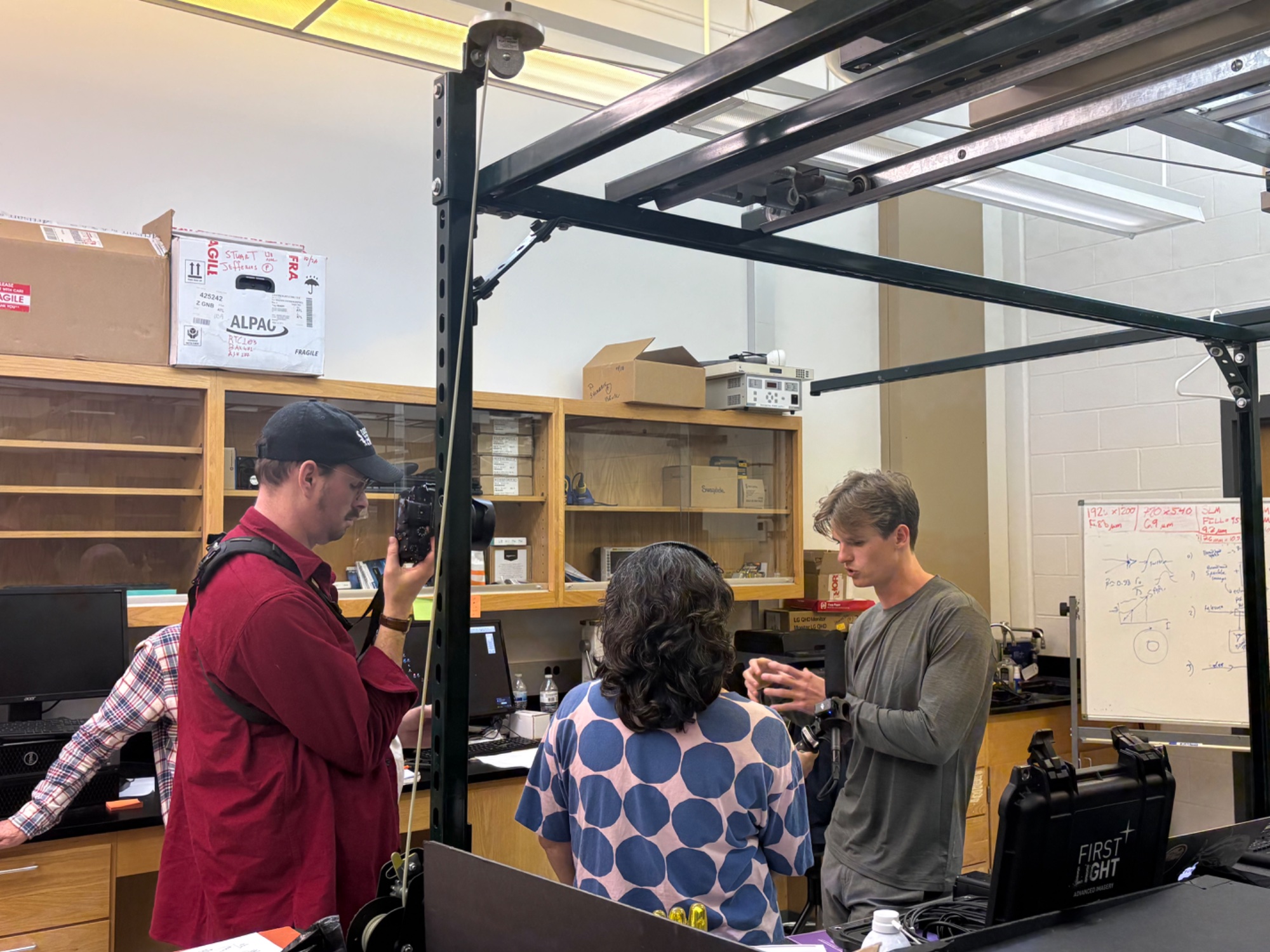
Design and build custom imaging systems from scratch. Our students go from concept to working hardware — a hands-on depth that purely computational programs cannot offer.
Programming, signal processing, numerical simulations, and data pipelines. The computational fluency to handle massive datasets and develop novel algorithms.
Deploy instruments in real-world environments — from our own observatory to Air Force and NASA facilities. Experience that translates directly to operational roles.
Work directly alongside scientists and engineers at the Air Force Research Laboratory, NASA Ames, and other agencies. Build professional networks before you graduate.
Our students have completed internships at JPL, AFRL Maui, AFRL Albuquerque, and KBR — before they graduate.
Students are encouraged to write proposals for independent fellowships — better stipends, greater freedom. You do the work; we provide the map. Fallon Konow's NASA FINESST fellowship is one example.
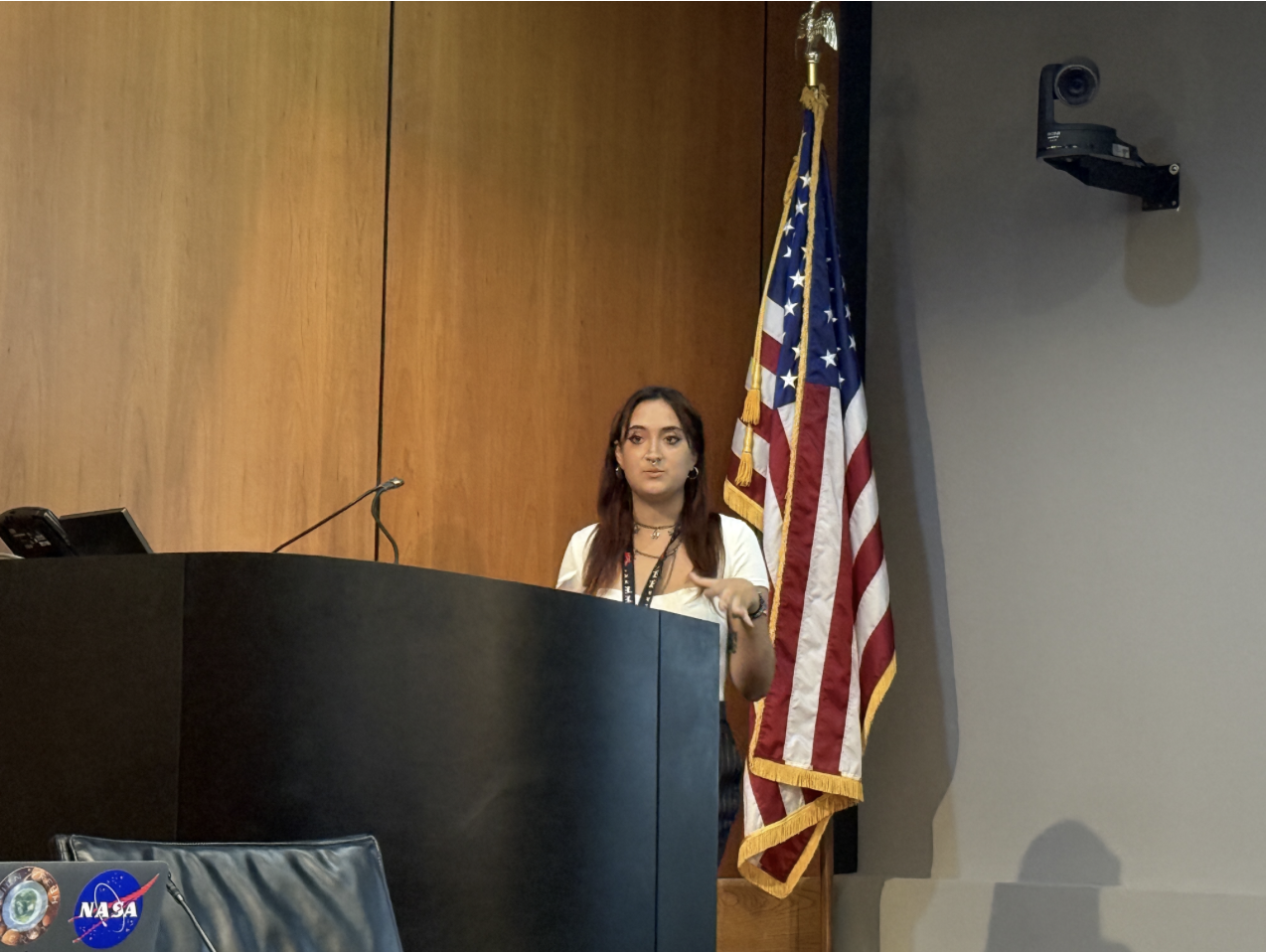
We actively coach students to become effective communicators — presenting at top conferences, writing for publication, and explaining complex work to diverse audiences including government sponsors.
From concept to world-class deployment: three facilities that give students unparalleled hands-on access
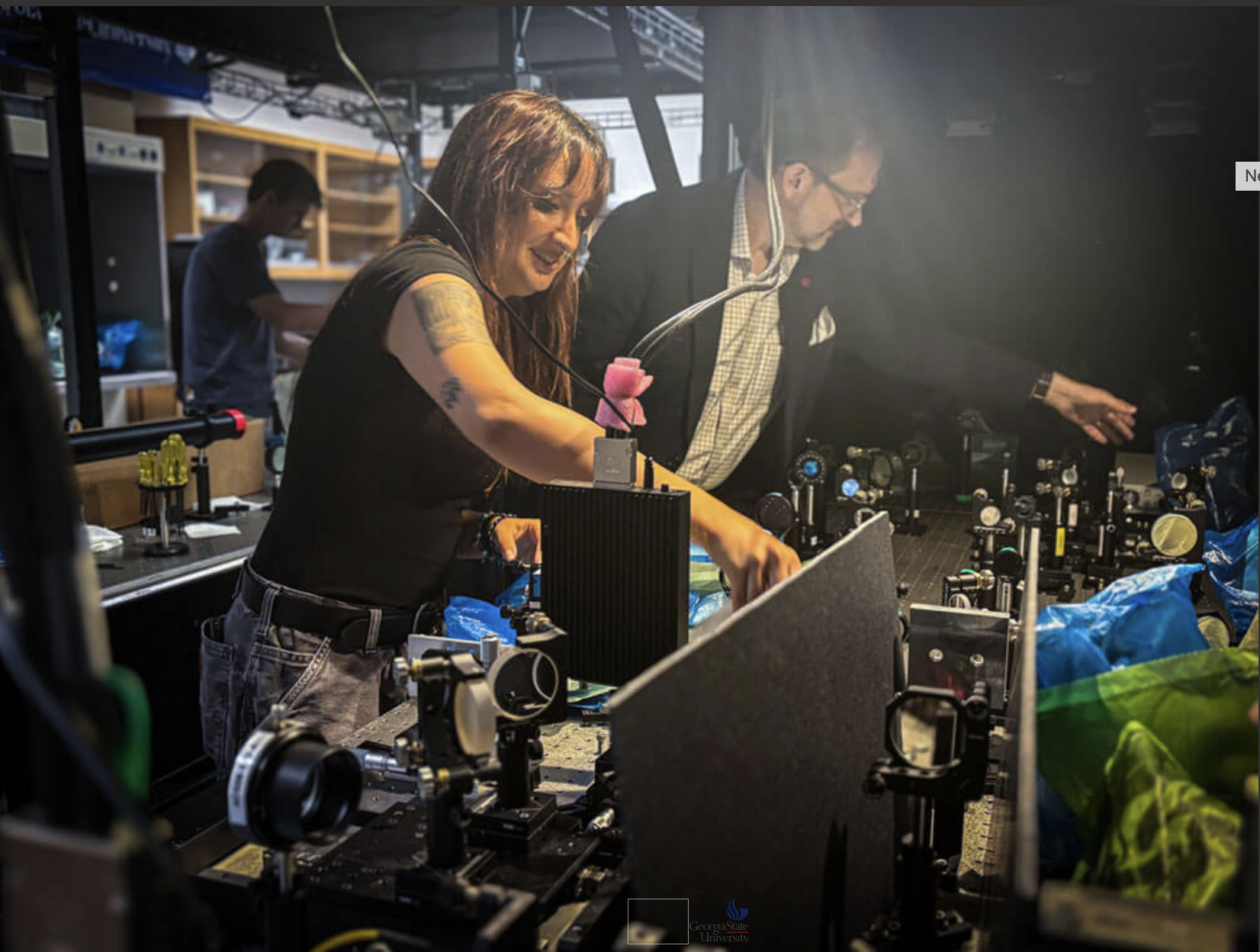
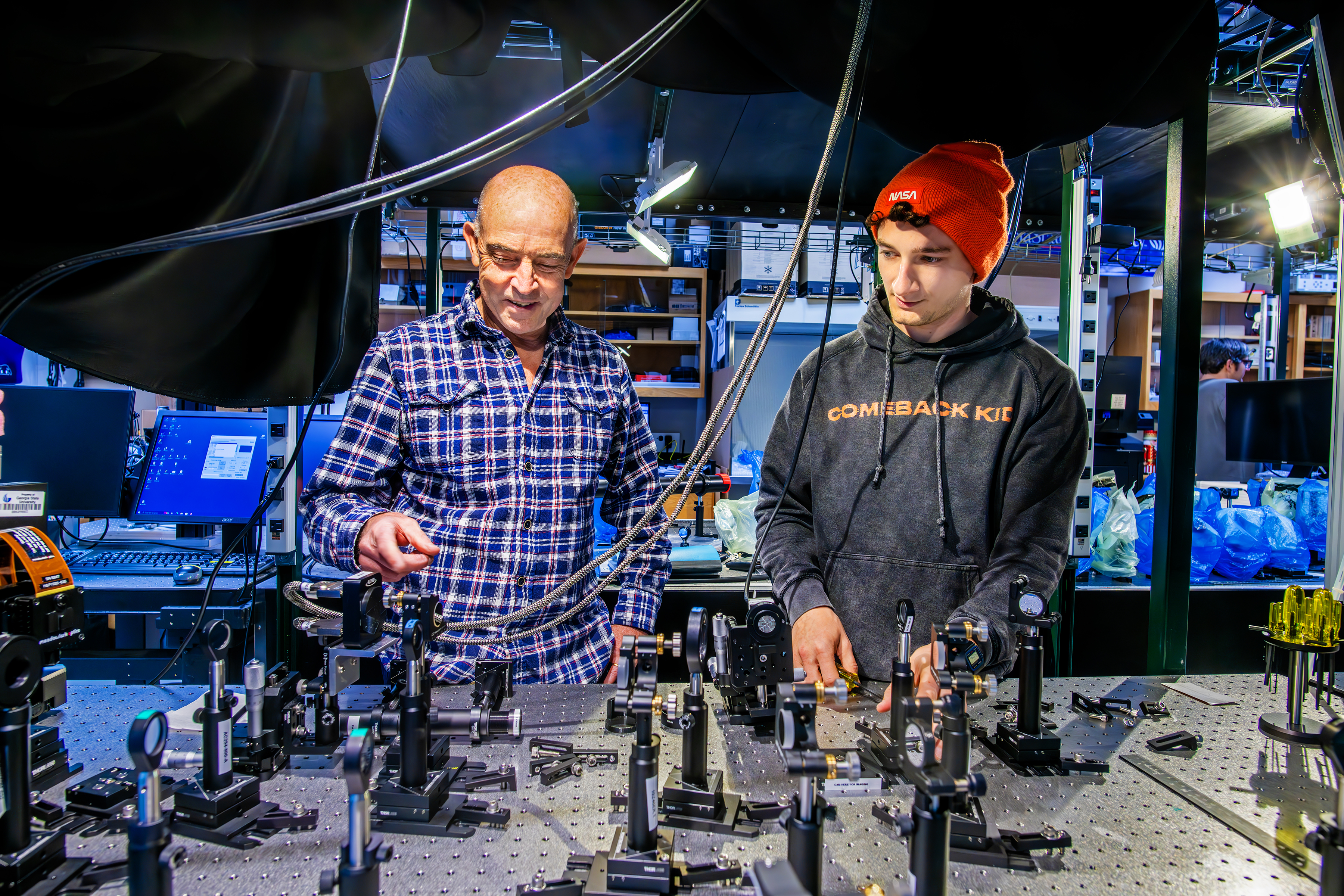
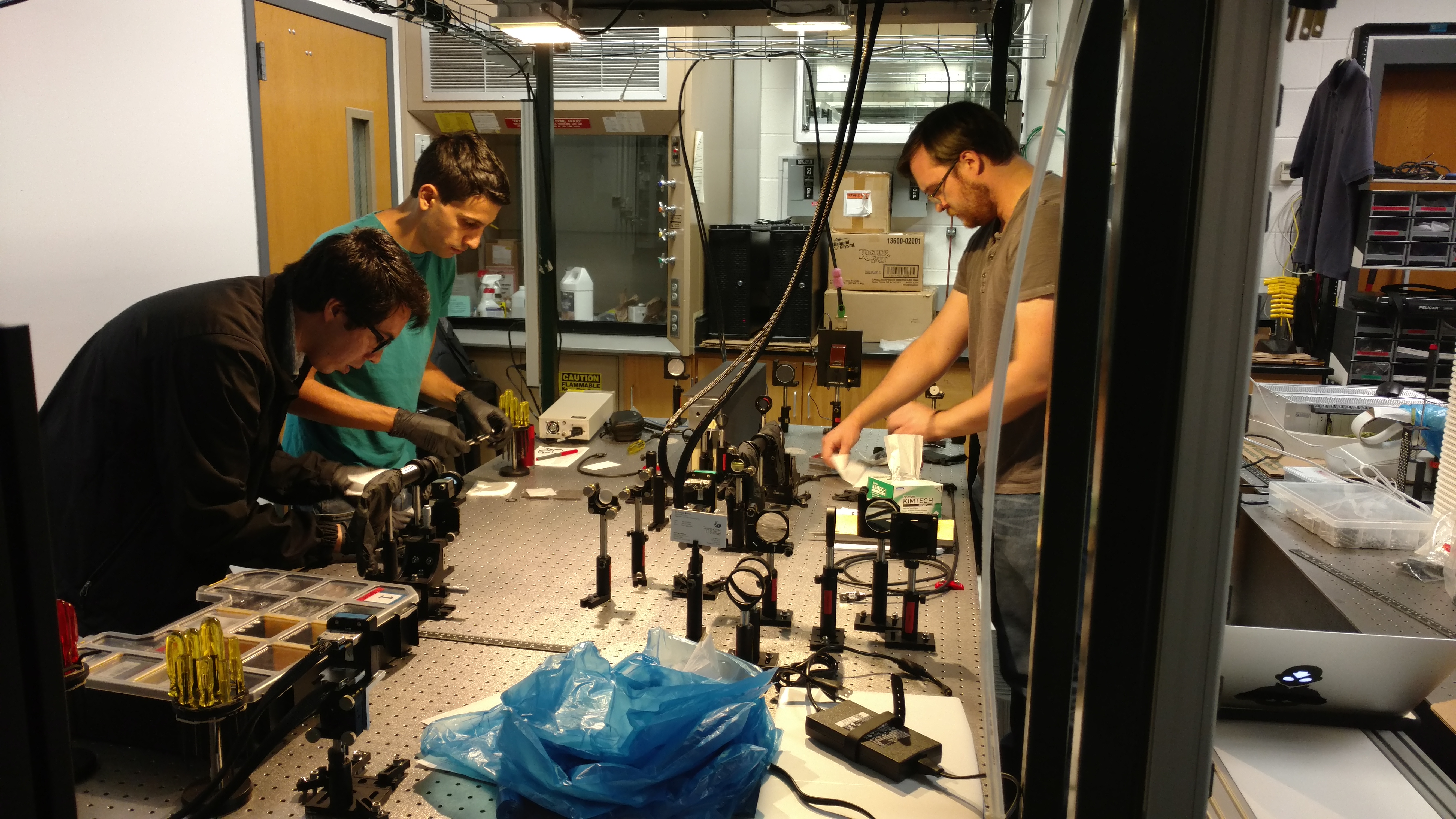
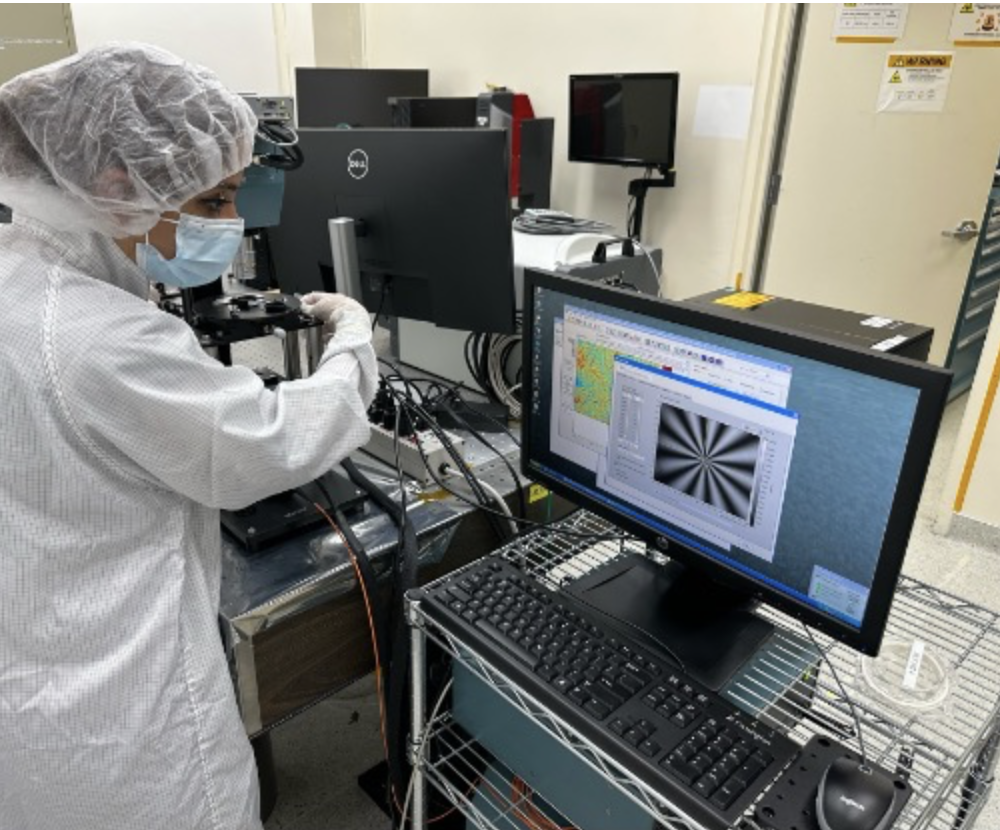
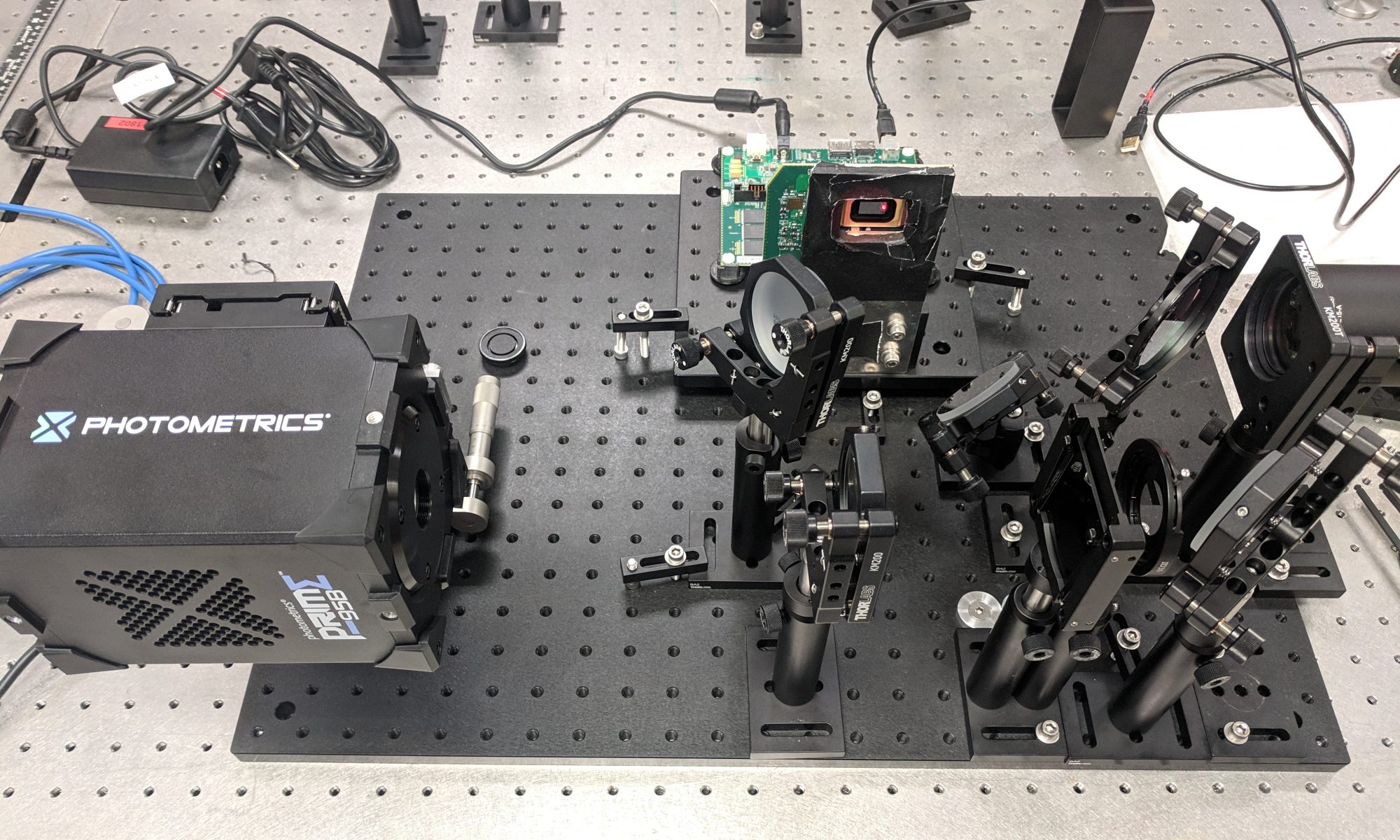
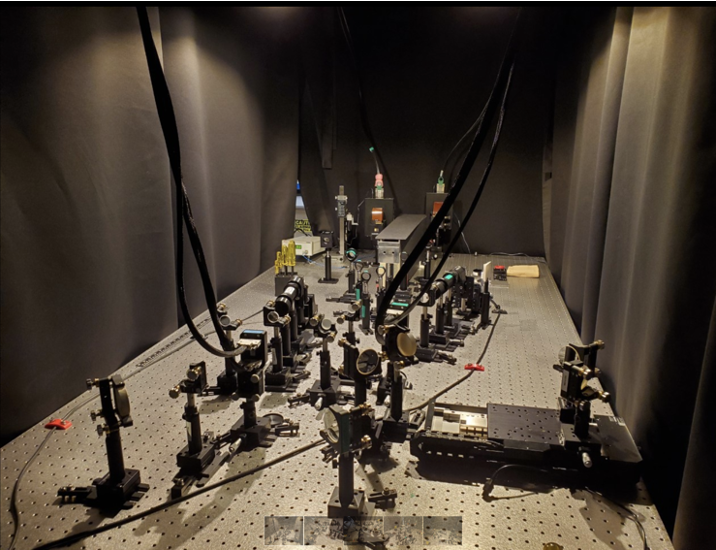
State-of-the-art facility where students design, build, and test custom instruments from scratch. Our lab enables rapid prototyping and iteration—go from concept to working hardware in weeks, not years.
Design and fabricate your own imaging systems and sensors
Test ideas quickly before full deployment
ARES and other flagship projects were built here by PhD students — facility supported by two DOD DURIP awards
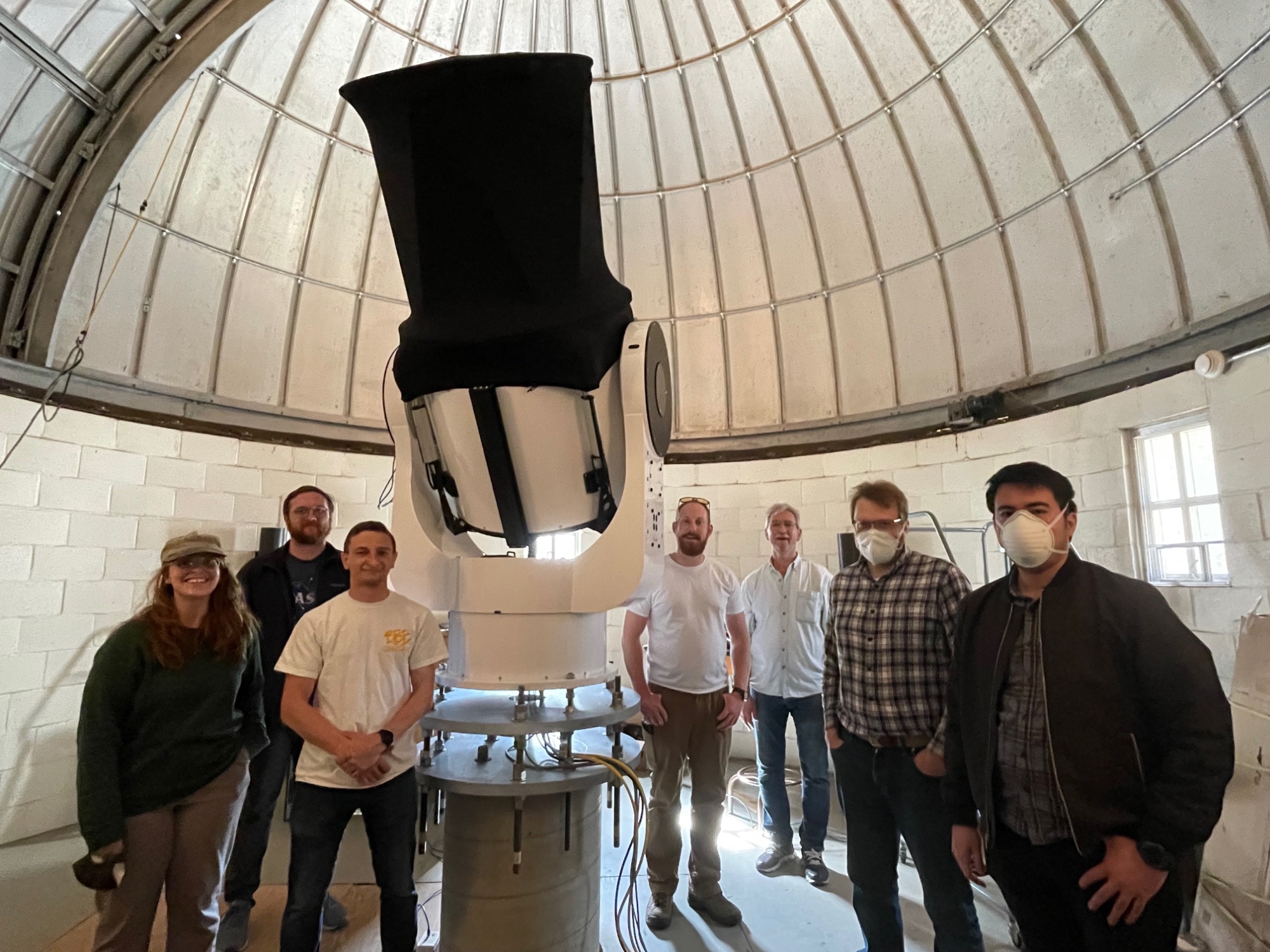
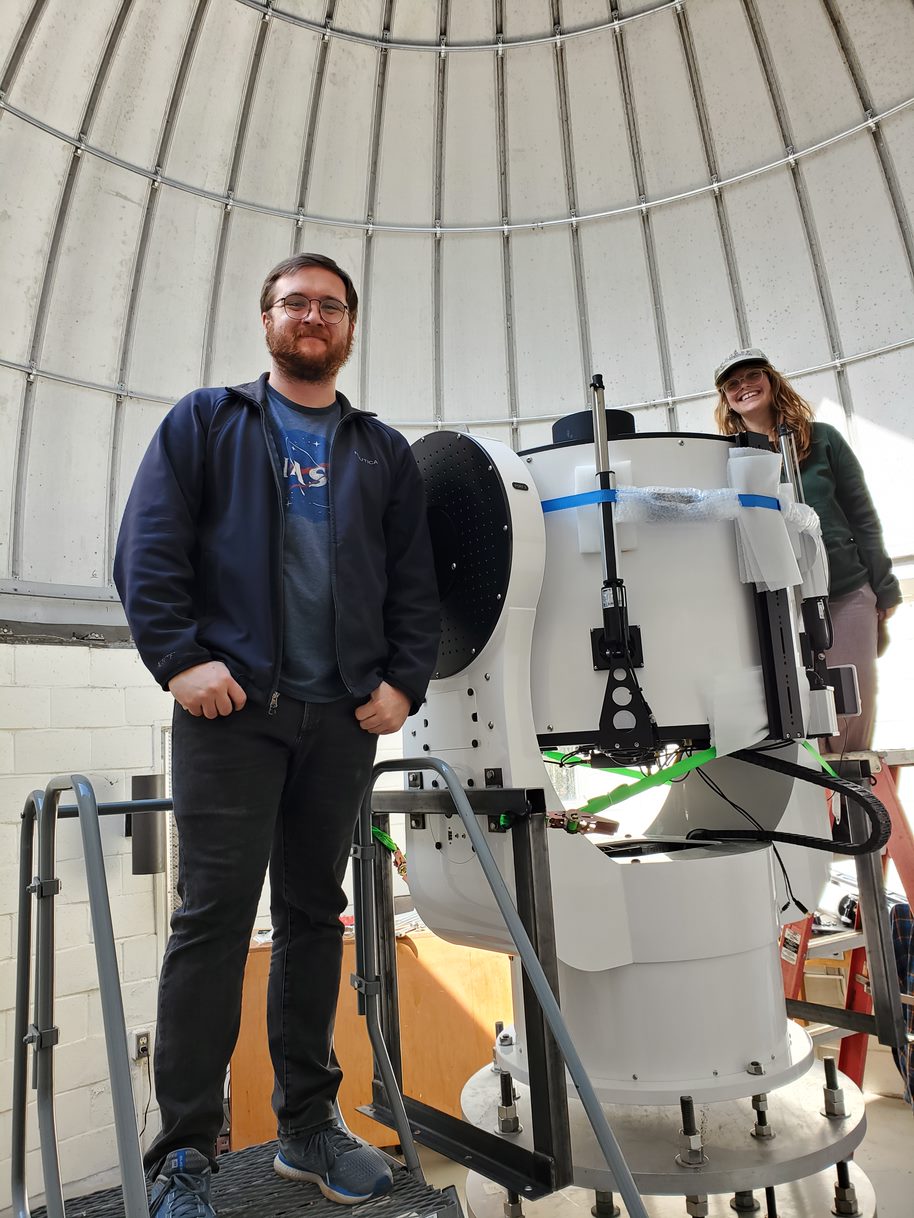
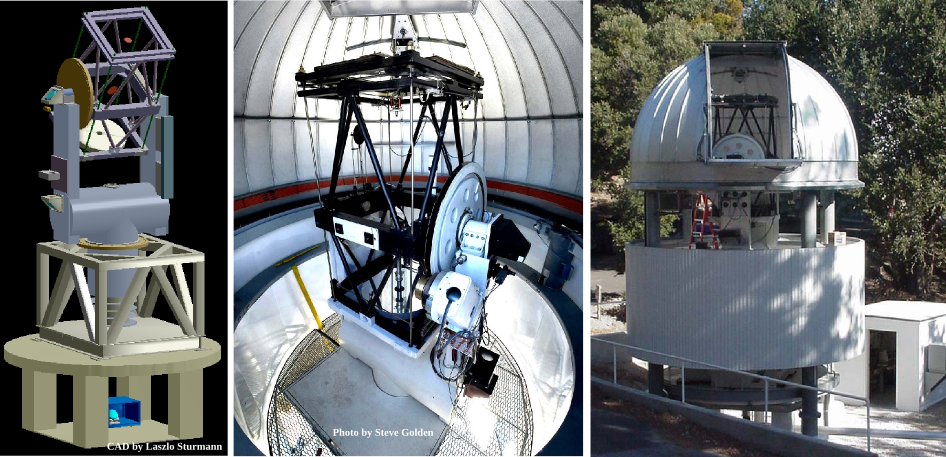
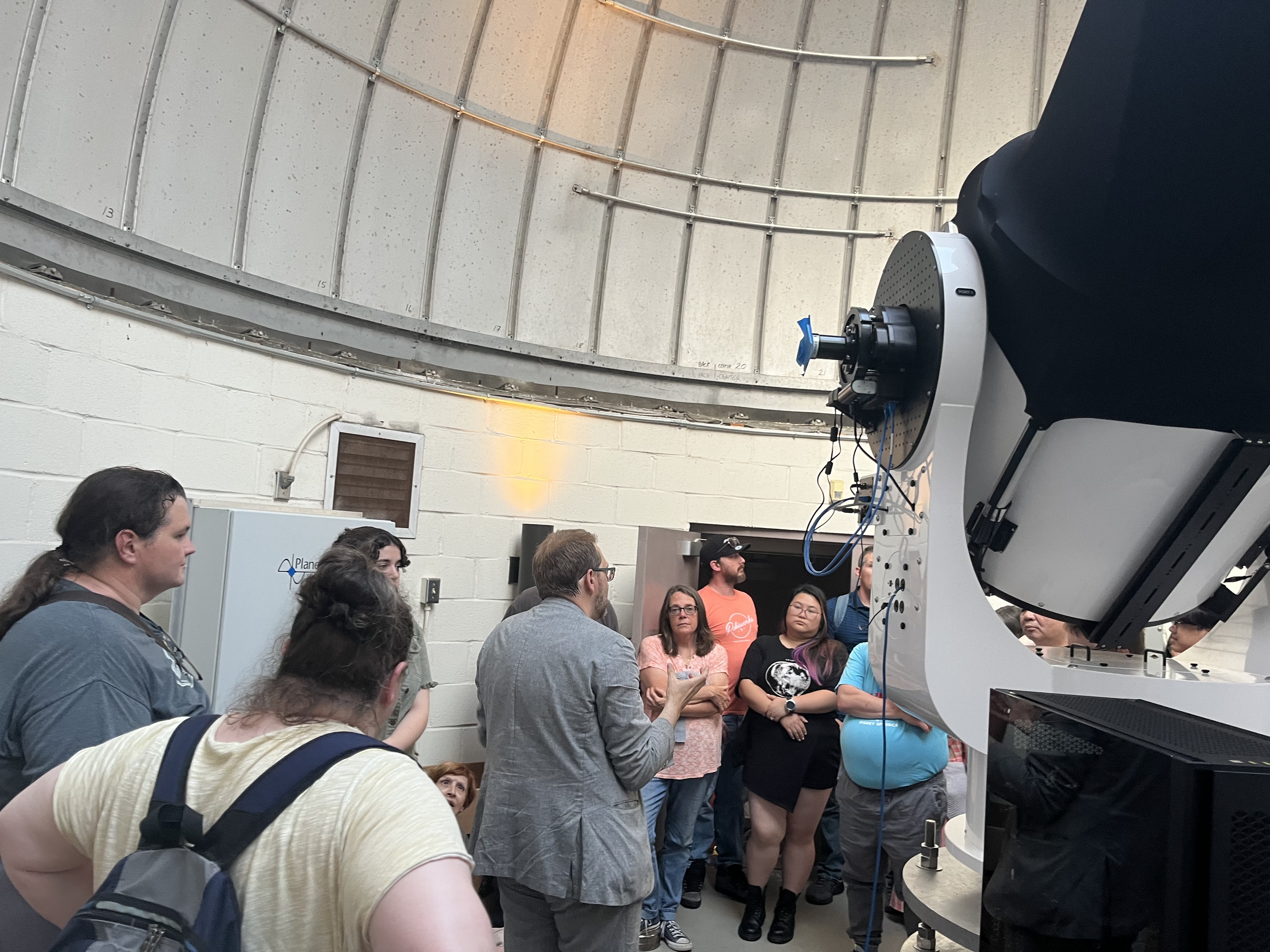
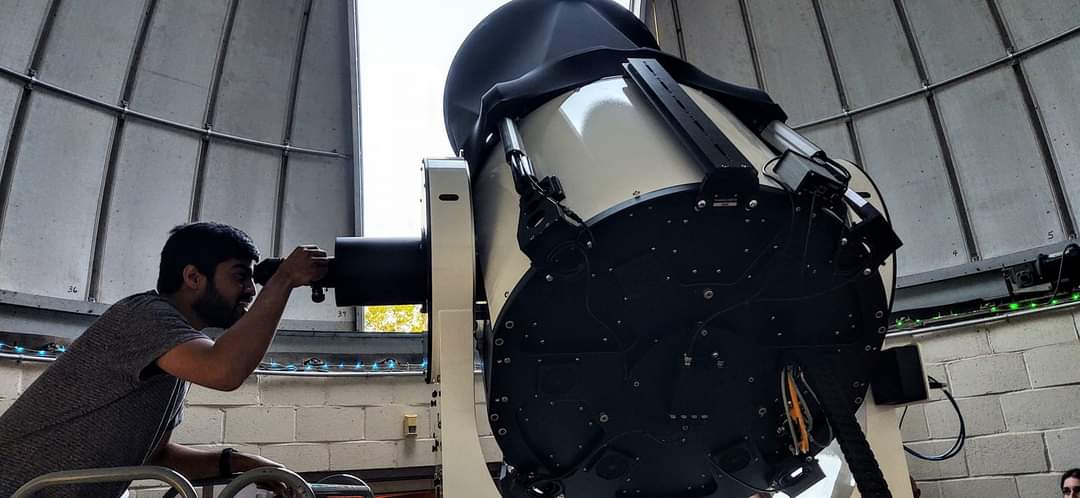
Fabien Baron, Co-Group Lead, serves as Observatory Director. Our students have 24/7/365 access to a professional 0.7m PlaneWave telescope — no competing for time, no waiting months for observations.
Professional-grade instrumentation with modern capabilities, 50 miles east of Atlanta in Hard Labor Creek State Park
Test your instruments and ideas immediately — no waiting for allocated time slots. Remote operation available from anywhere.
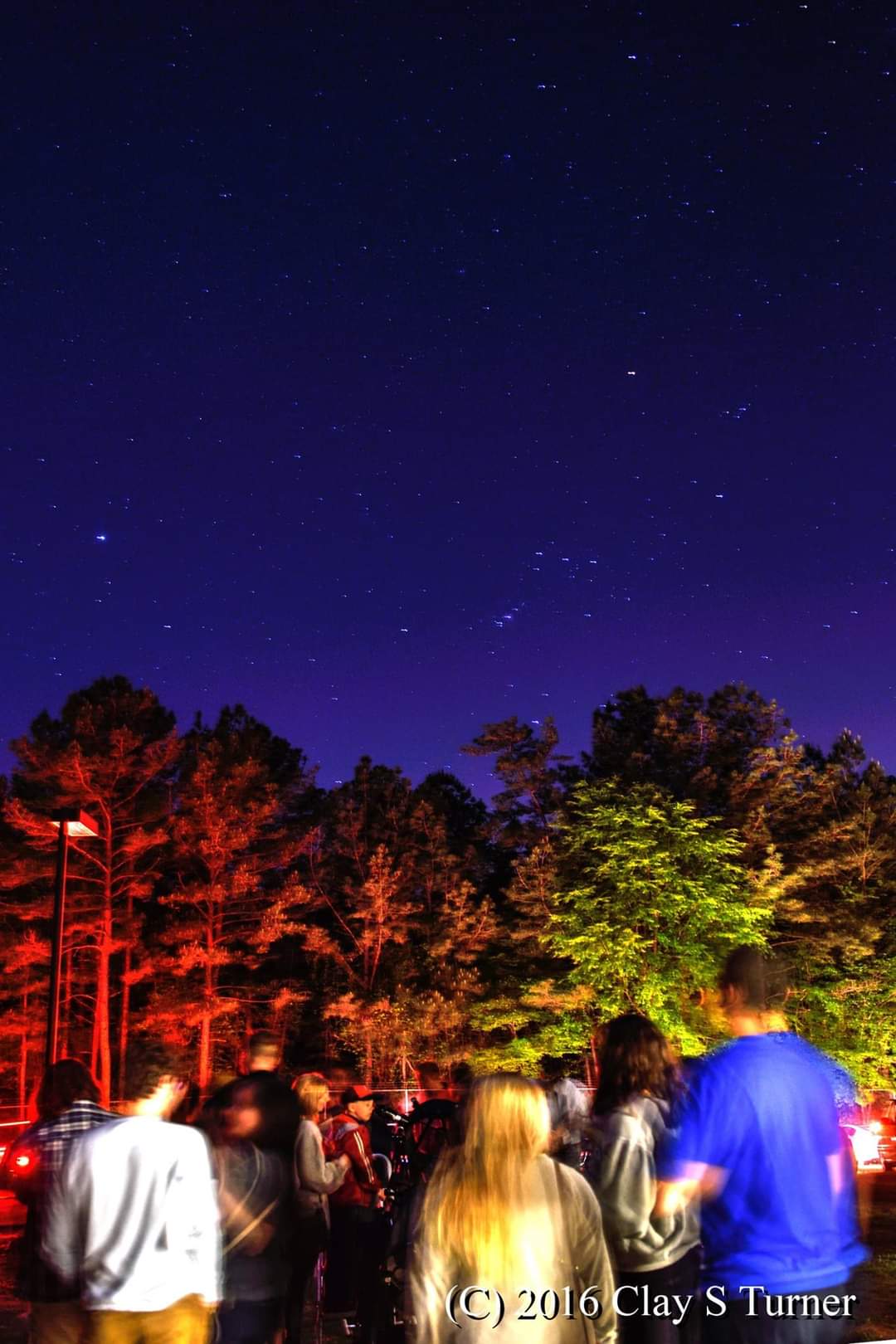
Monthly public nights from March to October bring Georgia residents to the observatory to observe the night sky and meet professional astronomers. Our students help staff these events — excellent outreach and communication experience.
Deploy your validated techniques to premier facilities through our extensive partnerships. Students gain access to world-class observational capabilities that most researchers never experience.
World's highest angular resolution interferometer at Mount Wilson Observatory, California
Access through Air Force Research Laboratory and NASA Ames partnerships
Work alongside government scientists and faculty at premier observatories
Deploy techniques to operational systems, not just proof-of-concept demonstrations
From scientific question to deployment on 8-meter telescopes
Identify interesting problems in imaging and develop novel approaches to solve them
One of our major strengths: Develop sophisticated computational models to test ideas and predict performance before building hardware
Test simulation predictions with controlled experiments in our optics lab and ARES turbulence simulator
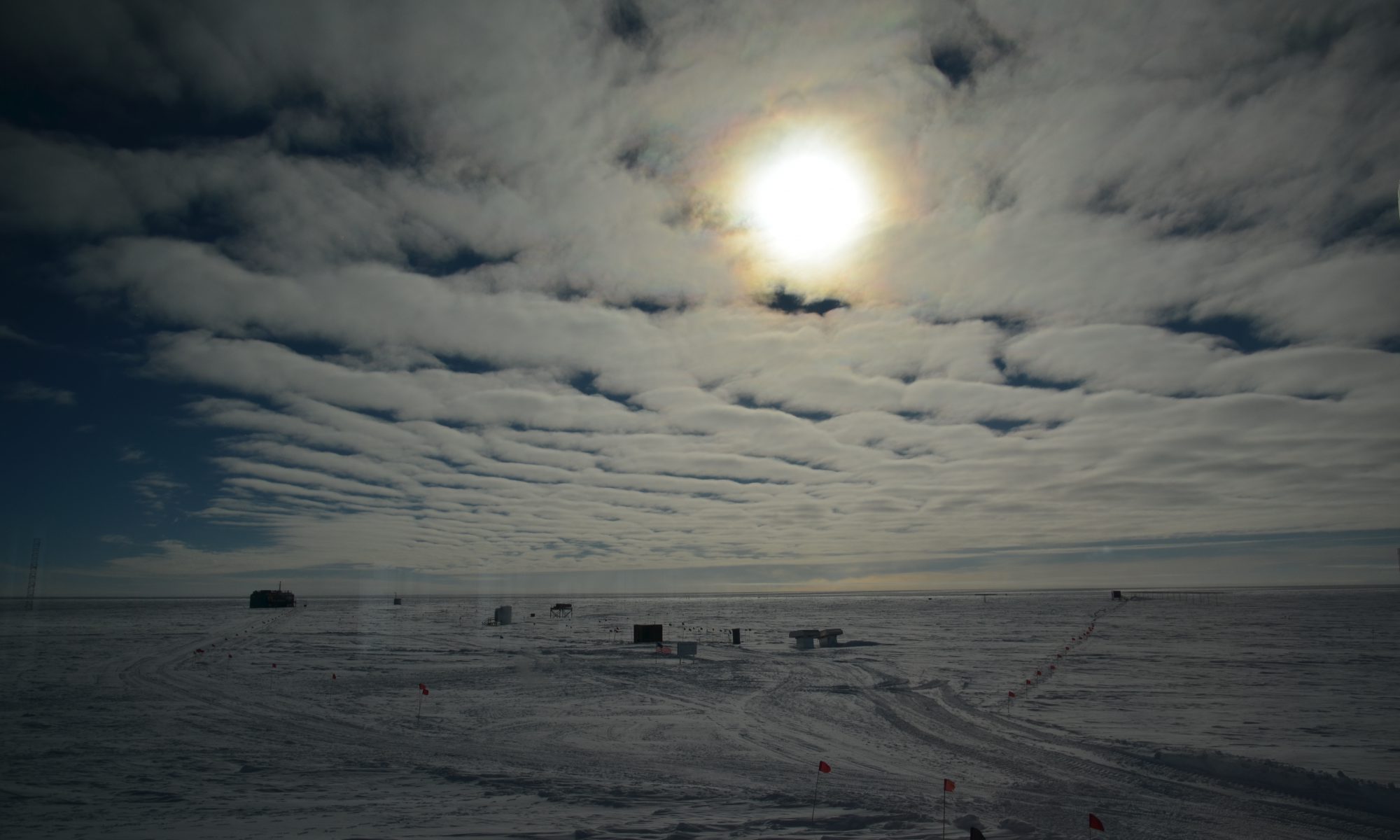
Upgrade hardware and test on real astronomical targets using our 0.7m telescope with 24/7 access—iterate rapidly based on results
Once validated on 0.7m, partner with Air Force and NASA Ames to deploy techniques on 3.5-8m class telescopes and CHARA Array
Most programs: Wait years for telescope time and hope your idea works
Our approach: Simulate → Validate → Test → Deploy. Prove your ideas work before committing resources.
Recent highlights | Full archive available from 2016
Georgia State lab works on telescope to search for extraterrestrial life — Prof. Jefferies discusses the 50-metre telescope under development on the Canary Islands. NPR Morning Edition, with local coverage presented by Lisa Rayam from the WABE newsroom.
Listen to Interview →GSU works to detect signs of life across the galaxies in collaboration with international space scientists
Listen to Interview →From Atlanta to Rome: A Georgia State astronomy student chases the sun across continents
Read Article →Segment with Chesley McNeil on GSU research exploring life beyond Earth
Watch Segment →GSU researchers launch new effort to see if there is life out there in the cosmos
Read Article →Search for extraterrestrial life: GSU research featured
Is there anybody out there? New research initiative exploring life beyond Earth
Read Article →39+ features since founding in 2016 — TV, print, radio, web, and international outlets
View Complete Archive (2016-2026) →We're actively recruiting motivated students — from undergraduates to PhD candidates. Reach out to either of our co-PIs to discuss research opportunities and the application process.